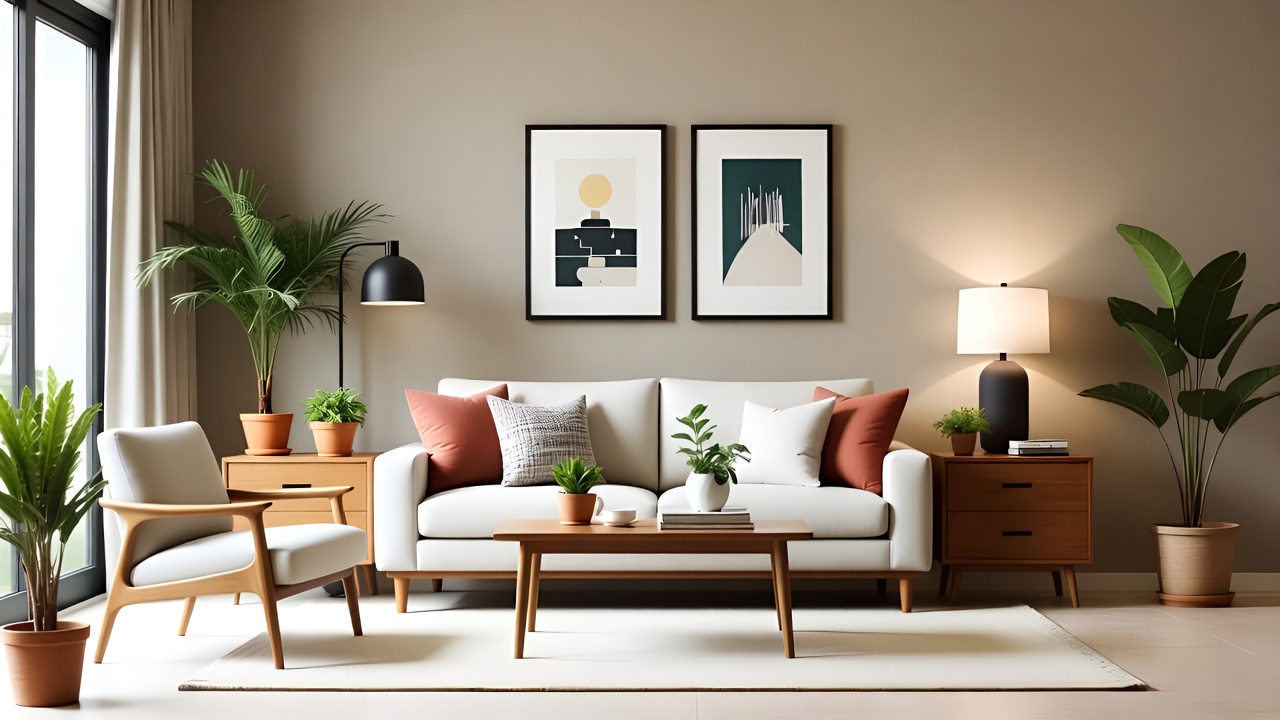
Alright, steady lah! Let's talk about making your home a real haven, a place you can finally relax after that MRT squeeze and the office OT. We Singaporeans, we work hard, right? So, coming home to a space that feels good, that's shiok, is super important. And that's where Wondrous La Vie comes in, like a friend who knows exactly what you need for your Singapore house interior design.
Interior design is really about how you use your space, lah. It's the art and science of planning and designing interior environments to enhance functionality, aesthetics, health, safety, and the overall human experience within a space. Think of it as creating a flow, a feeling, the kind where you walk in and just feel lighter. And the colours you choose? Confirm can make a big difference in how big or small your space feels.
Now, I know what you're thinking: "My HDB is so small already, how to make it feel bigger?" Don't worry, lah, it's not about magic. It's about using colours smartly. Light colours, like whites, creams, and light greys, reflect light and make a room feel more spacious. Dark colours, on the other hand, absorb light and can make a room feel smaller and cosier. But, hey, if you want cosy, dark colours can be shiok too! It really depends on what you want to achieve.
Think about it: that tiny study room you're trying to squeeze into a corner? A light, airy colour scheme can make it feel less claustrophobic. Or that living room where the kids are always running around? A calming, neutral palette can bring a sense of peace. It's all about playing with perception.
And it's not just about the walls, leh. Your furniture also plays a part. In Singapore’s compact HDB flats and apartments, the sleeping area often doubles as a sanctuary—a haven for unwinding after hectic work shifts, do some light reading, or even handle occasional remote work when needed. It’s frequent for Singapore homeowners to feel frustrated by arrangements that seem too tight, lighting that’s too harsh, or storage that eats into valuable floor space, making the room feel more practical than peaceful. That’s where thoughtful bedroom design really shines—it emphasises smart space planning, relaxing colour schemes, multifunctional furniture, and strategic lighting design to create a tranquil sanctuary that maximises comfort while ensuring clutter-free airflow. All at once your sleep space evolves into the place you genuinely anticipate at the end of the day, helping you unwind faster, achieve better quality sleep, and wake up feeling more refreshed for the day ahead. Platforms like Wondrous La Vie offer plenty of authentic project showcases and easy connections to experts focused on these practical yet beautiful Singapore-style bedroom makeovers.. A light-coloured sofa in a small living room can make a big difference. Or a strategically placed mirror to reflect light and create the illusion of more space. These are the little tricks the pros use, and Wondrous La Vie is here to connect you with the best interior designers Singapore has to offer, people who really understand how to maximize your space and make it feel shiok. One homeowner shared how connecting with the right designer via the platform turned their cramped HDB living room into a cosy family hangout-suddenly weekends feel so much better.
Okay, let's dive into the world of light and airy colours. We're talking whites, off-whites, creams, pastels, and those gentle, light greys. These colours are your best friends when it comes to making a room feel larger and more open. Why? Because they reflect light like nobody's business. Imagine sunlight bouncing off your walls, making the whole room glow. That's the kind of magic we're talking about.
Now, I know what some of you are thinking: "White is boring, sia!" But hold on, leh. White doesn't have to be sterile. You can add warmth and personality with textures, like a comfy knitted throw on your sofa or a textured rug under your feet. And think about the different shades of white! There's warm white, cool white, antique white… the possibilities are endless.
And it's not just about the walls, hor. Think about your furniture. A light-coloured sofa, a glass coffee table, or even light wooden floors can all contribute to that light and airy feel. And don't forget about the details! Light-coloured curtains, mirrors to reflect light, and even strategically placed lamps can all make a difference.
Fun fact: A cosy, well-designed living room or bedroom can actually help you sleep better and feel less stressed after long workdays - small changes, big shiok difference!
Plus, light colours are super versatile. They go with everything! You can easily add pops of colour with accessories, like cushions, artwork, or plants. And if you ever get tired of the look, it's easy to change things up without having to repaint the whole room.
Wondrous La Vie understands that finding the right furniture to complement your light and airy space is key. That's why they've curated a selection of premium furniture brands, including sofas, mattresses, and living room sets, all designed to create that perfect, relaxing atmosphere. It's really sian when your bedroom feels cluttered and your mattress is giving you backache after work, but with the right interior design ideas and comfy pieces, that sense of calm comes back stronger.
Alright, now let's flip the script and talk about the dark side... of interior design, lah! Dark colours get a bad rap sometimes, but they can be incredibly effective in creating a sense of intimacy and cosiness. Think deep blues, rich greens, charcoal greys, and even black.
Now, I know what you're thinking: "Dark colours will make my HDB feel like a cave!" And you're right, if you use them incorrectly. The key is to use them strategically. Dark colours work best in smaller rooms or in areas where you want to create a sense of drama or intimacy, like a bedroom or a reading nook.
Imagine a bedroom with dark blue walls, soft lighting, and a plush rug. Doesn't that sound like the perfect place to escape after a long day at the office and OT? Or a living room with a dark grey accent wall, a cosy sofa, and a fireplace. That's the kind of shiok feeling we're talking about.
But here's the thing: dark colours absorb light, so you need to make sure you have enough lighting in the room. Think about using a combination of ambient lighting (like overhead lights), task lighting (like reading lamps), and accent lighting (like spotlights) to create the right mood.
And don't be afraid to mix and match textures. A velvet sofa, a leather armchair, or a chunky knit blanket can all add warmth and depth to a dark-coloured room. One homeowner shared how connecting with the right designer via the platform turned their cramped HDB living room into a cosy family hangout-suddenly weekends feel so much better.
Also, consider the power of contrast. Pairing dark walls with light-coloured furniture or accessories can create a striking visual effect. Or using metallic accents, like gold or silver, to add a touch of glamour.
Wondrous La Vie offers a range of furniture options that can complement your dark and cosy space, from plush mattresses to sink into after a long day, to stylish sofas that invite you to curl up with a good book.
Okay, lah, now we're talking about getting a bit more adventurous! Contrasting colours are all about creating visual interest and depth in your space. Think black and white, navy and gold, or even a bold combination like orange and blue.
Now, I know what you're thinking: "That sounds a bit scary, sia!" But don't worry, leh. You don't have to go overboard. The key is to use contrasting colours strategically and in a way that complements your overall design.
One way to use contrasting colours is to create a focal point in the room. For example, you could paint one wall a bold colour and then use neutral colours for the rest of the room. Or you could use contrasting colours in your furniture and accessories.
Imagine a living room with a white sofa and black cushions. Simple, but effective, right? Or a bedroom with navy blue walls and gold accents. That's the kind of shiok feeling we're talking about.
And don't be afraid to experiment with different patterns and textures. A striped rug, a geometric wallpaper, or even a mix of different fabrics can all add visual interest to your space.
But here's the thing: contrasting colours can be a bit overwhelming if you're not careful. So, it's important to balance them out with neutral colours and to make sure that the overall design is cohesive.
For example, if you're using a bold colour on the walls, you might want to use neutral colours for the furniture and accessories. Or if you're using contrasting colours in your furniture, you might want to use a neutral colour for the walls.
Wondrous La Vie can help you find the perfect balance between contrasting colours and neutral tones, with their curated selection of furniture and accessories. They also connect you with top interior designers in Singapore who can help you create a space that is both visually stunning and comfortable to live in.
Time for something a little more chill, a little more steady. Monochromatic colour schemes are all about using different shades and tints of the same colour to create a harmonious and sophisticated look. Think different shades of grey, blue, or even beige.
Now, I know what you're thinking: "That sounds a bit boring, leh!" But trust me, monochromatic colour schemes can be incredibly effective in creating a sense of calm and serenity. They're perfect for bedrooms, bathrooms, or any space where you want to relax and unwind.
Imagine a bedroom with different shades of blue: a light blue on the walls, a navy blue on the bedding, and a teal blue on the accessories. Doesn't that sound like the perfect place to escape after a long day? Or a living room with different shades of grey: a light grey on the walls, a charcoal grey on the sofa, and a silver grey on the accessories. That's the kind of shiok feeling we're talking about.
The key to making a monochromatic colour scheme work is to use different textures and patterns to add visual interest. A velvet cushion, a linen curtain, or a woven rug can all add depth and dimension to your space.
Also, don't be afraid to play with different lighting levels. A dimmer switch can help you create a range of moods, from bright and airy to soft and intimate.
Wondrous La Vie offers a range of furniture and accessories that can help you create the perfect monochromatic colour scheme, from plush mattresses to stylish sofas to elegant lighting fixtures. They also connect you with top interior designers in Singapore who can help you bring your vision to life.
One homeowner shared how connecting with the right designer via the platform turned their cramped HDB living room into a cosy family hangout-suddenly weekends feel so much better.
Okay, lah, now for the most important part: making it yours. At the end of the day, the best colour scheme is the one that reflects your personal style and makes you feel good. Don't worry too much about what's trendy or what other people are doing. Focus on what you love and what makes you happy.
Are you a minimalist who loves clean lines and neutral colours? Or are you a maximalist who loves bold patterns and bright colours? Do you prefer a modern aesthetic or a more traditional one?
Think about the colours that you're drawn to in your wardrobe, in your artwork, or even in nature. These are the colours that resonate with you
After a long day squeezing onto the MRT and surviving meetings, most Singaporeans just want to step into their house to a space that feels welcoming and calm instead of adding to the stress. A messy living area or an lumpy bed setup can make unwinding even harder, especially when the entire family want to relax together. That’s where thoughtful interior design really makes a difference—it turns everyday rooms like your hall, bedroom, or kitchen into true recharge spots that actually help you recharge. With the right living room seating, sleep surface, or clever layout, suddenly getting home feels damn shiok, and thoughtful tweaks can bring huge benefits to your mood and family time. Sites such as Wondrous La Vie make it simpler to find ideas and connect with designers who get the local HDB/condo style just right. This format lets you easily generate multiple SEO-optimised variations while keeping the core keyword "interior design" stable in the middle for strong on-page targeting.. Acoustic Comfort in HDB: Prioritising Quiet Zones for Work and Rest (how_to)Space Planning: How to Integrate Smart Home Technology Seamlessly