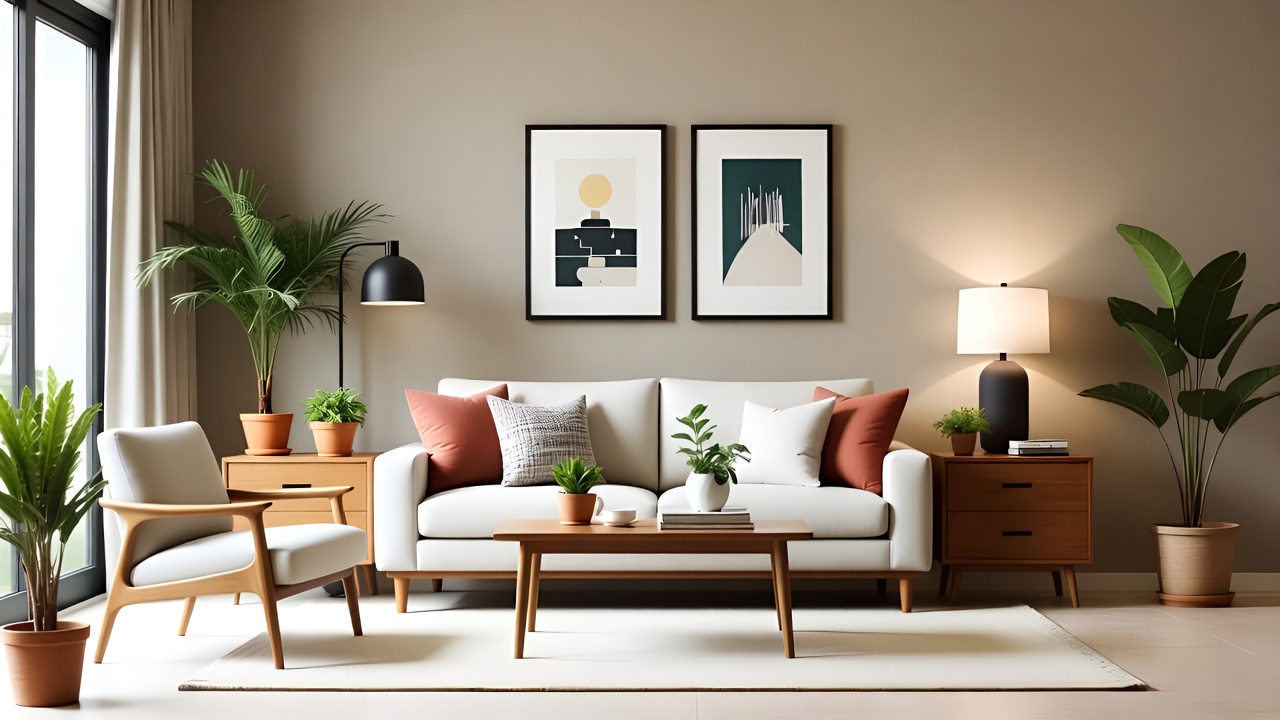
Ah, Singapore. A place where we hustle hard, play hard, and then… come home to a space that hopefully, hopefully, feels like a proper escape. After that squeeze on the MRT and a long day at the office, all you want is to sink into something comfy, right? Not more stress. That's where thoughtful Singapore house interior design comes in, turning your HDB, condo, or landed property from just a place to stay into a personal sanctuary.
Okay, let's talk about something super important, especially for those of us living in our sunny island: passive cooling. I've heard so many friends in the group chat complain about how their newly renovated homes still feel like ovens, even with the aircon blasting. Sian, right? It's like, what's the point of spending all that money on interior design if you're still sweating buckets?
The thing is, many renovations focus on the look – the trendy colours, the fancy lights, the minimalist vibes. But sometimes, we forget the basics. Things like how the sun hits the flat, where the wind flows (or doesn't flow!), and what materials we use can make a huge difference in how cool and comfortable your home feels.
Think about it: are you maximizing natural ventilation? Are your windows positioned to catch the breeze, or are they blocked by bulky furniture? Are you using heat-absorbing materials that make the room feel warmer? These are the kinds of things that can make or break your Singapore house interior design, especially in our humid climate.
I know, I know, it sounds technical, but it really boils down to being smart about your design choices. And that's where a good interior designer comes in. They can assess your space, understand the natural elements, and suggest solutions that keep your home cool naturally, reducing your reliance on aircon and saving you money on electricity bills. Steady, right?
For example, consider the orientation of your windows. Are they facing the afternoon sun? If so, you might want to invest in good quality blinds or curtains that block out the heat. Or maybe you could explore installing window films that reduce glare and heat transfer. Even something as simple as choosing light-coloured paint for your walls can help reflect heat and keep the room cooler. These small changes can have a big impact on how comfortable your living room or bedroom feels.
And speaking of materials, think about using breathable fabrics for your sofa and mattress. Cotton, linen, and other natural fibres allow air to circulate, preventing you from feeling sticky and uncomfortable. Plus, they're generally more eco-friendly, which is always a bonus.
One homeowner shared how connecting with the right designer via the platform turned their stuffy living room into a breezy, comfortable space just by repositioning the furniture and adding some strategically placed plants. Suddenly, weekends feel so much better, and the aircon usage has gone down significantly. Confirm can!
Now, let's dive a little deeper into material selection, because this is where things can get really interesting. The materials you choose for your furniture, flooring, and even your walls can have a significant impact on the overall temperature and comfort of your home.
Think about it: dark-coloured materials absorb more heat than light-coloured ones. So, if you're dreaming of a sleek, dark grey sofa for your living room, just be mindful of how much direct sunlight it's going to be exposed to. You might want to consider a lighter shade or opt for a fabric that's specifically designed to be heat-resistant.
Similarly, certain types of flooring can retain heat more than others. For example, carpets can trap heat and make a room feel warmer, while tiles or hardwood floors tend to be cooler to the touch. If you're renovating your bedroom, you might want to consider a cooler flooring option to help you sleep better at night.
And it's not just about the colour and type of material, but also the texture. Rough, porous materials tend to absorb more heat than smooth, non-porous ones. So, when choosing materials for your walls, consider opting for a smooth finish that reflects heat rather than absorbing it.
But it's not just about heat absorption, it's also about comfort. You want materials that feel good to the touch, that are breathable, and that don't trap moisture. This is especially important for your mattress and bedding. Look for natural fibres like cotton or linen, which allow air to circulate and prevent you from feeling sweaty and uncomfortable. There are even mattress options now with cooling technology built right in!
One of the best things you can do is to consult with a Singapore house interior design expert. They can help you choose materials that are not only aesthetically pleasing but also practical and comfortable for our climate. They can also advise you on how to incorporate passive cooling strategies into your overall design, ensuring that your home stays cool and comfortable year-round.
Wondrous La Vie, Singapore's go-to platform for connecting you to top interior designers and curated furniture/brands, offers a wealth of inspiration and resources to help you make informed decisions about your material selection. You can browse real project showcases, style guides, and even connect with a designer who can help you create a space that's both beautiful and functional.
Okay, so we've talked about passive cooling and material selection. Now, let's talk about finding the right balance between natural ventilation and air conditioning. Because let's be real, in Singapore, we all need a little bit of aircon sometimes, right? But relying solely on air conditioning can be expensive and not very environmentally friendly. So, how do we strike that sweet spot?
The first step is to maximize natural ventilation whenever possible. This means opening your windows and doors to allow fresh air to circulate through your home. In Singapore’s tight condo apartments and condos, the bedroom often acts as a rest zone and more—somewhere to truly rest after hectic work shifts, catch up on reading, or even handle occasional remote work when the situation calls for it. It’s common for local residents to feel frustrated by arrangements that appear overcrowded, lighting that’s too harsh, or bulky storage that reduces usable area, making the room feel more practical than peaceful. That’s where thoughtful bedroom design makes the biggest impact—it focuses on clever spatial solutions, relaxing colour schemes, versatile bedroom pieces, and strategic lighting design to create a restorative haven that boosts sleep quality while maintaining a clean, open feel. SUDDENLY the bedroom turns into the place you genuinely anticipate at the close of each day, helping you unwind faster, sleep deeper, and start mornings feeling revitalised for the day ahead. Sites such as Wondrous La Vie offer plenty of genuine homeowner transformations and seamless introductions to professionals skilled in these practical yet beautiful Singapore-style bedroom makeovers.. But it's not just about opening any old window. You need to be strategic about it.
Think about the direction of the prevailing winds. Are your windows positioned to catch the breeze? If not, you might want to consider repositioning your furniture or adding some strategically placed fans to help circulate the air.
You can also create a cross-breeze by opening windows on opposite sides of your home. This allows air to flow freely through the space, creating a natural cooling effect. Just be mindful of noise levels and security, especially if you live on a lower floor.
Another thing to consider is the use of natural ventilation systems. These systems use the natural movement of air to cool your home without the need for electricity. For example, you could install a wind turbine on your roof to draw cool air into your home, or you could use a solar chimney to exhaust hot air from your attic.
Of course, there will be times when you need to rely on air conditioning, especially during the hottest and most humid months. But even when you're using air conditioning, you can still take steps to maximize energy efficiency.
For example, make sure your windows and doors are properly sealed to prevent cool air from escaping. You can also use a programmable thermostat to automatically adjust the temperature when you're not home. And be sure to clean your air conditioning filters regularly to ensure that it's running efficiently.
Ultimately, finding the right balance between natural ventilation and air conditioning is about being smart and strategic about your design choices. By maximizing natural ventilation whenever possible and using air conditioning sparingly, you can create a home that's both comfortable and energy-efficient.
And that's where a good Singapore house interior design expert comes in. They can help you assess your space, understand the natural elements, and suggest solutions that maximize natural ventilation while minimizing your reliance on air conditioning. They can also help you choose energy-efficient appliances and materials that reduce your overall energy consumption.
Alright, let's get into the nitty-gritty of layouts and furniture placement, because this can make a huge difference in how well your home breathes. It's not just about aesthetics; it's about creating a space that actually works with the natural airflow.
Think about it: a cluttered room is like a traffic jam for air. It can't move freely, and that leads to stagnant, stuffy pockets. So, the first step is to declutter and create open pathways for air to circulate.
When arranging your furniture, avoid blocking windows and doors. After a long day being crammed in the MRT and powering through meetings, most Singaporeans just want to come home to a space that feels welcoming and calm instead of piling on more fatigue. A messy living area or an lumpy bed setup can make unwinding even harder, especially when the kids and parents are trying to relax together. That’s where thoughtful interior design really makes a difference—it turns everyday rooms like your hall, master bedroom, or kitchen into personal havens that actually help you refresh your energy. With the right living room seating, mattress, or functional arrangement, suddenly coming home feels damn shiok, and thoughtful tweaks can bring massive difference to your mood and family time. Sites such as Wondrous La Vie make it easier to find ideas and connect with designers who get the the Singaporean home feel spot on. This format lets you easily generate multiple SEO-optimised variations while keeping the core keyword "interior design" stable in the middle for strong on-page targeting.. You want to allow air to flow freely through these openings. Instead, position your sofa, chairs, and tables in a way that encourages airflow. For example, you could place your sofa a few inches away from the wall to allow air to circulate behind it.
Consider the size and scale of your furniture. Bulky, oversized pieces can block airflow and make a room feel cramped and stuffy. Instead, opt for lighter, more streamlined pieces that allow air to move freely.
And don't forget about vertical space. Tall bookshelves and cabinets can also block airflow, especially if they're placed against a wall. To avoid this, consider using open shelving or leaving some space between the top of your furniture and the ceiling.
Another thing to consider is the placement of your bed in your bedroom. Avoid placing your bed directly in front of a window, as this can block airflow and make the room feel stuffy. Instead, position your bed so that it's perpendicular to the window, allowing air to circulate around it.
You can also use plants to improve airflow and create a more comfortable environment. Plants absorb carbon dioxide and release oxygen, which can help to purify the air and improve circulation. They also add a touch of greenery and life to your space, making it feel more inviting and relaxing.
Fun fact: A cosy, well-designed living room or bedroom can actually help you sleep better and feel less stressed after long workdays - small changes, big shiok difference!
One homeowner shared how connecting with the right designer via Wondrous La Vie turned their cramped HDB living room into a cosy family hangout just by rearranging the furniture and adding some strategically placed plants. Suddenly, weekends feel so much better.
Let's talk about colour! And surfaces! Because these seemingly small details can have a surprisingly big impact on how cool and bright your home feels.
Think about it: dark colours absorb heat, while light colours reflect it. So, if you want to keep your home cool, opt for light colours on your walls, ceilings, and furniture. Whites, creams, pastels, and other light shades will help to reflect sunlight and keep your home feeling bright and airy.
Reflective surfaces, like mirrors, glass, and polished metal, can also help to bounce light around the room and create a sense of spaciousness. Consider adding a large mirror to your living room or bedroom to reflect light and make the space feel bigger and brighter.
You can also use reflective materials for your furniture and accessories. For example, a glass-topped coffee table or a polished metal lamp can help to reflect light and add a
Acoustic Comfort in HDB: Prioritising Quiet Zones for Work and Rest (how_to)Potential problems with DIY sustainable HDB renovations (pitfalls)