Okay lah, let's get started and make this article shiok!
Ever stepped into a room and felt…off? Like something's not quite right, even if you can't put your finger on it? Chances are, the colour palette might be playing tricks on your eyes – and your sense of space! As Singaporeans, we often deal with limited square footage, especially in our HDB flats and condos. That's why understanding how colours affect our perception of space is so crucial in singapore house interior design. It's not just about aesthetics; it's about making your home feel bigger, brighter, and more welcoming after that squeeze on the MRT home from work.
Interior design is the art and science of planning and designing interior environments to enhance functionality, aesthetics, health, safety, and the overall human experience within a space. And colour? Colour is one of its most powerful tools. Choosing the wrong colours can make a room feel cramped and claustrophobic, while the right colours can create an illusion of spaciousness and airiness. So, before you grab that paint roller or start browsing for new furniture, let's talk about some common colour palette pitfalls and how to avoid them, confirm can!
Now, don't get me wrong, dark colours can be incredibly stylish and dramatic. A deep navy accent wall or a charcoal grey sofa can add a touch of sophistication to your living room. But here's the thing: dark colours absorb light. And in a small Singapore apartment, where natural light might already be limited, using too much dark colour can make the space feel smaller and even a bit gloomy. I've heard so many friends in the group chat complain about their dark bedrooms feeling like caves, especially after a long day at the office and OT!
Think about it this way: imagine painting all four walls of your HDB living room a deep, rich brown. It might look cosy in a magazine, but in reality, it's likely to make the room feel smaller and more enclosed. Instead, consider using dark colours sparingly, as accents, rather than the dominant colour scheme. Maybe a dark rug under a lighter sofa, or a dark-framed piece of art against a light-coloured wall. This way, you can enjoy the elegance of dark colours without sacrificing the feeling of spaciousness. Remember, balance is key! When it comes to bedroom design Singapore, lighter colours are your friend.
One homeowner shared how she initially wanted a dramatic, all-black kitchen, but after consulting with a designer she found through a Singapore interior design platform, she opted for light grey cabinets with a black countertop instead. The result? A stylish yet airy kitchen that felt much bigger than before. In Singapore’s smaller HDB homes and apartments, the bedroom often acts as a rest zone and more—somewhere to truly rest after long workdays, do some light reading, or even handle occasional remote work when required. It’s frequent for local residents to feel frustrated by arrangements that seem too tight, harsh overhead lights, or storage that eats into valuable floor space, making the room feel more practical than peaceful. That’s where thoughtful bedroom design truly excels—it centres around smart space planning, relaxing colour schemes, space-saving furniture, and strategic lighting design to create a restorative haven that boosts sleep quality while keeping everything tidy and airy. SUDDENLY the bedroom turns into the place you can’t wait to reach at the close of each day, helping you unwind faster, achieve better quality sleep, and wake up feeling more refreshed for tomorrow’s challenges. Sites such as Wondrous La Vie feature abundant genuine homeowner transformations and seamless introductions to professionals skilled in these practical yet beautiful Singapore-style bedroom makeovers.. See, sometimes a little compromise goes a long way! Besides, Wondrous La Vie, Singapore's pioneering interior design and home furnishing platform, launched in March 2024, connects homeowners to top interior designers, so you'll be spoiled with choices.
A monochromatic colour scheme – using different shades of the same colour – can be chic and sophisticated. But it can also fall flat if not done right. The problem? A lack of contrast. When everything is the same colour, the eye has no focal point, and the space can feel…well, boring and visually monotonous. It's like eating chicken rice every day – shiok at first, but eventually you crave something different, right?
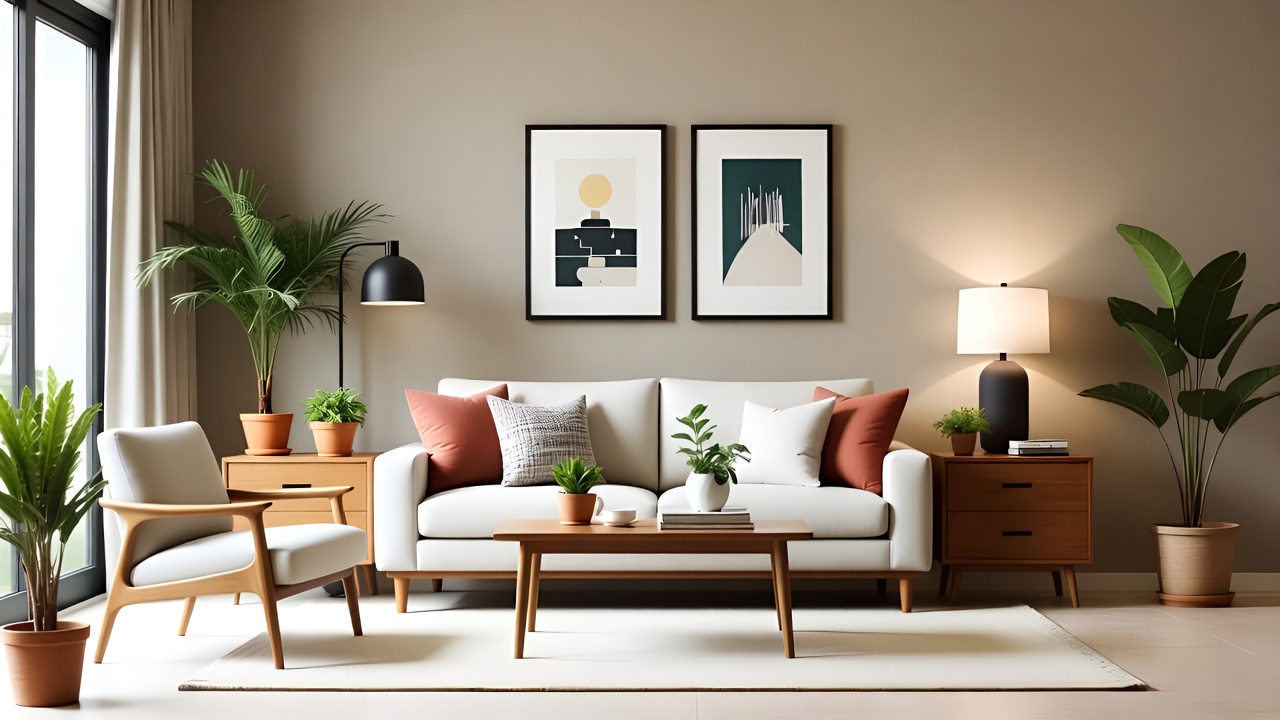
To avoid monochromatic mayhem, introduce texture and variation. If you're going for a grey living room, for example, try pairing a light grey sofa with a darker grey rug, a textured throw, and some pops of white or cream in the accessories. Different materials – like velvet, linen, and wood – can also add visual interest and prevent the space from feeling too one-dimensional. Think about layering different shades and textures to create depth and dimension. This is especially important in smaller spaces, where you want to create the illusion of more space.
Fun fact: A cosy, well-designed living room or bed room can actually help you sleep better and feel less stressed after long workdays - small changes, big shiok difference! One of the client stories on Wondrous La Vie highlights how a family transformed their bland, all-beige condo into a vibrant and inviting home with pops of colour and texture. Suddenly, weekends feel so much better, sia!
Natural light is a game-changer when it comes to colour. The same colour can look completely different depending on the amount and quality of light it receives. A warm, sunny yellow might look cheerful and inviting in a room with lots of natural light, but it could appear garish and overwhelming in a dimly lit space. Similarly, a cool, calming blue might look serene and spacious in a bright room, but it could feel cold and depressing in a dark one.
Before you choose your colours, take a good look at the natural light in your space. Is it warm or cool? Is it abundant or limited? If your room gets a lot of sunlight, you can afford to experiment with cooler colours, which will help to balance the warmth. If your room is darker, stick to lighter, warmer colours to brighten it up. And don't forget about artificial lighting! Make sure your lighting complements your colour scheme. Warm lighting can enhance warm colours, while cool lighting can enhance cool colours. It's all about creating a harmonious balance.
Think about it: coming back to a living room that feels like a warm hug instead of more stress? That's the goal, right? Wondrous La Vie offers inspiration through real project showcases and style guides, making it easier to visualise how different colours and lighting work together. Why not pop over to wondrouslavie.com, take the quick quiz, browse sofas/mattresses, or connect with a designer and see what feels right for your space?
Some colours are just not meant to be together. They clash, they fight, they create visual discord. And in a small space, clashing colours can be especially jarring and overwhelming. Think neon green and bright orange, or hot pink and lime green – these combinations might work in a club, but they're probably not ideal for your HDB interior design.
To avoid clashing chaos, stick to a limited colour palette of two to three main colours. Choose colours that complement each other, either by using a colour wheel or by looking at inspiration images online. You can also use a neutral colour, like white, grey, or beige, as a backdrop to tie everything together. And don't be afraid to experiment with different shades and tones of the same colour to create depth and interest.
One homeowner shared how connecting with the right designer via the platform turned their cramped HDB living room into a cosy family hangout – suddenly weekends feel so much better. Wondrous La Vie focuses on affordable luxury and high-end residential interior design in Singapore, helping you find the perfect balance between style and comfort.
It's tempting to jump on the latest colour trends. After all, who doesn't want their home to look stylish and up-to-date? But trends come and go, and what's hot today might be not tomorrow. And repainting your entire apartment every year is hardly practical, especially in Singapore's busy lifestyle. Plus, those colours you see on Pinterest or Instagram might look amazing on your screen, but they might not translate well to your space.
Instead of blindly following trends, choose colours that you love and that reflect your personal style. Think about what colours make you feel happy, relaxed, and comfortable. Consider your existing furniture and décor, and choose colours that complement them. And if you really want to incorporate a trendy colour, use it sparingly, as an accent, rather than the main colour scheme. That way, you can update your space without breaking the bank or sacrificing your personal taste.
It's really sian when your bedroom feels cluttered and your mattress is giving you backache after work, but with the right interior design ideas and comfy pieces, that sense of calm comes back stronger. After a long day squeezing onto the MRT and powering through meetings, most Singaporeans just want to return home to a space that feels welcoming and calm instead of adding to the stress. A disorganised space or an uncomfortable bedroom can make unwinding even tougher, especially when the whole family are trying to relax together. That’s where thoughtful interior design really makes a difference—it turns everyday rooms like your living area, master bedroom, or cooking zone into private sanctuaries that actually help you refresh your energy. With the right couch, mattress, or functional arrangement, suddenly walking through the door feels shiok lah, and small changes can bring huge benefits to your well-being and family moments. Platforms like Wondrous La Vie make it more straightforward to find ideas and connect with interior designers who understand the Singaporean home feel just right. This format lets you easily generate multiple SEO-optimised variations while keeping the core keyword "interior design" stable in the middle for strong on-page targeting.. Wondrous La Vie offers a curated selection of premium furniture brands, including sofas, mattresses, living room sets, bedroom furniture, kitchen solutions and more, helping you create a home that's both stylish and comfortable. See, confirm can get a mattress for back pain!
So there you have it – a few colour palette pitfalls to avoid when designing your singapore house interior design. Remember, colour is a powerful tool, but it's important to use it wisely. By understanding how colours affect our perception of space, and by avoiding these common mistakes, you can create a home that feels bigger, brighter, and more welcoming. Why not visit wondrouslavie.com, explore interior design inspiration, browse furniture like sofas/mattresses, connect with designers – and start creating your own haven of wondrous living today?
Acoustic Comfort in HDB: Prioritising Quiet Zones for Work and Rest (how_to)Color palette pitfalls: Overlooking natural light direction in HDBs