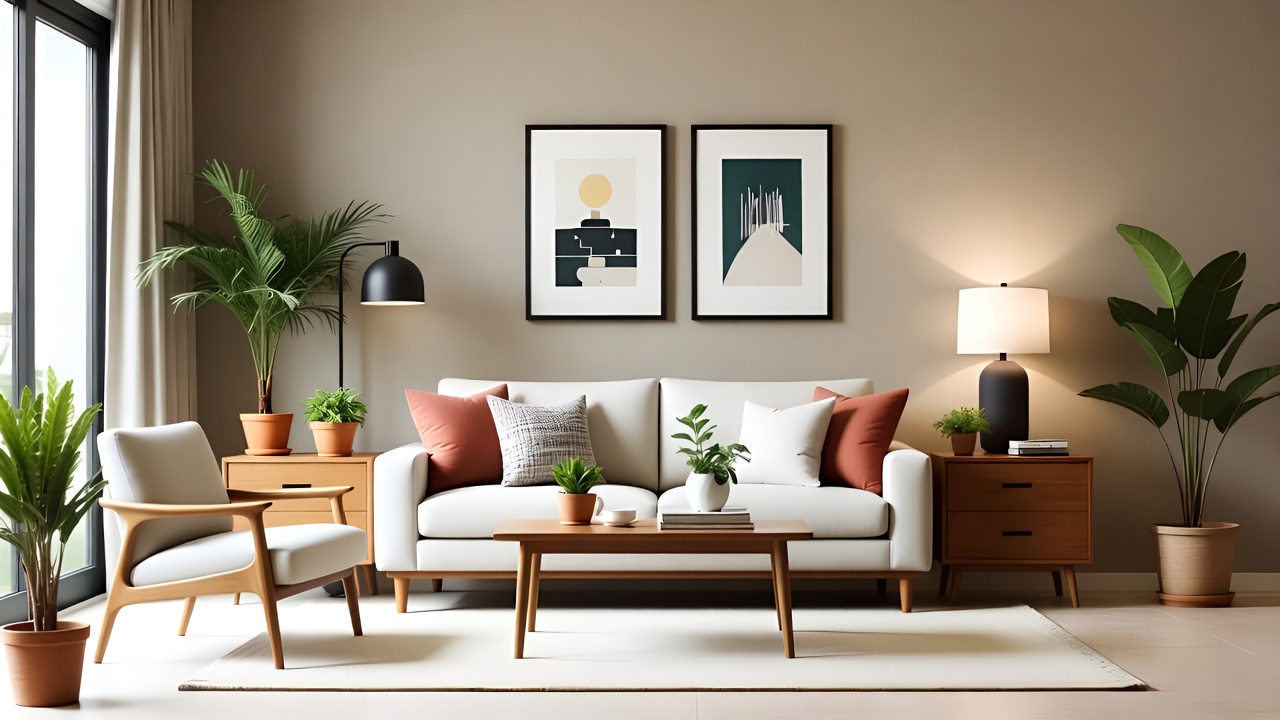
Measuring productivity gains from an ergonomic HDB setup (metrics)
Welcome to Your Haven of Wondrous Living Lah!
Okay lah, let's talk about something close to every Singaporean's heart: our homes! After squeezing onto the MRT and slogging through a long day, don't we all just dream of stepping into a space that feels like a warm hug? A place where you can finally unwind, recharge, and spend quality time with your loved ones. That's where good singapore house interior design comes in, you know? It's not just about looking nice; it's about making your home a true haven.
Measuring productivity gains from an ergonomic HDB setup (metrics)
Okay, so maybe “productivity” isn't the first thing that comes to mind when you think about your HDB flat. More like "ahhh, finally home!" But hear me out. Think about it: how much better do you feel when your home office actually works for you? When your chair doesn't make your back scream after an hour, and your monitor is at the right height so your neck doesn't feel like it's gonna snap off? That's what we're talking about – making your HDB a place where you can actually get things done, whether it's work, hobbies, or just managing your life.
So, how do we measure this productivity boost, ah? It's not just about feeling good (although that's important too!). We want to see real results.
Time Savings: This is a big one. Think about all the time you waste when your setup is a mess. Searching for documents, untangling cables, getting up every five minutes because you're uncomfortable. A well-designed ergonomic space minimises these disruptions, freeing up time for actual work. Imagine having an extra 30 minutes a day! Steady, right?
Reduced Discomfort & Sick Days: This one is super important. If you're constantly battling back pain, headaches, or eye strain, you're not going to be productive. An ergonomic setup, with the right chair, desk, and lighting, can significantly reduce these issues. Less pain means more focus and fewer sick days. Confirm can!
Improved Focus & Concentration: Have you ever tried to concentrate when your chair is digging into your thighs and your monitor is giving you a headache? Not easy, lah! An ergonomic space eliminates these distractions, allowing you to focus on the task at hand. Think of it like this: your environment is supporting you, not fighting against you.
Increased Output & Quality: This is the ultimate goal, right? A more comfortable and focused workspace leads to higher quality work and increased output. You're more likely to be creative, solve problems effectively, and meet deadlines when you're not constantly battling discomfort. One homeowner shared how connecting with the right designer via the platform turned their cluttered study into a focused and ergonomic workspace -- suddenly, work-from-home days feel so much better.
Now, how do you actually track these metrics?
Time Tracking Apps: There are tons of apps out there that can help you track how you spend your time. Use them to see how much time you're spending on specific tasks before and after your ergonomic makeover.
Self-Assessment Surveys: Before you make any changes, take a survey to assess your comfort levels, pain points, and productivity. Then, take the same survey after a few weeks to see how things have improved.
Monitor Sick Leave: Keep track of your sick days and doctor's visits. A reduction in these numbers is a clear sign that your ergonomic setup is working.
Track Project Completion Rates: Are you meeting deadlines more consistently? Are you able to complete projects more efficiently? These are all indicators of improved productivity.
Remember, even small changes can make a big difference. It doesn't have to be a massive overhaul. Start with the basics: a good chair, a monitor at the right height, and proper lighting. Then, gradually add more ergonomic features as needed.
The golden ratio of interior design in HDBs: A Singaporean perspective
Okay, so you've probably heard of the Golden Ratio, right? It's that fancy mathematical thing that artists and designers have been using for centuries to create beautiful and harmonious compositions. But what does it have to do with your HDB flat, ah? Well, turns out, quite a lot!
The Golden Ratio, roughly 1:1.618, is all about balance and proportion. When applied to interior design, it can help you create a space that feels naturally pleasing to the eye. It's like that feeling you get when you walk into a room and it just feels right.
Now, I know what you're thinking: "Maths? In my home? Siao liao!" But don't worry, you don't need to be a mathematician to use the Golden Ratio. It's more about understanding the principles and applying them intuitively.
Here's how you can use the Golden Ratio to create a more harmonious Singapore house interior design:
Furniture Placement: When arranging your furniture, try to use the Golden Ratio to guide your decisions. For example, if you have a large sofa, balance it with a smaller coffee table and a couple of armchairs. The proportions should be roughly in line with the Golden Ratio.
Room Layout: Think about the overall layout of your room. How much space are you allocating to different areas? Use the Golden Ratio to create a sense of balance. For example, if you have a large living room, you might want to divide it into smaller zones, with each zone adhering to the Golden Ratio principles.
Wall Decor: When hanging artwork or arranging shelves, use the Golden Ratio to create a visually appealing display. Group items together in odd numbers, and vary the sizes and shapes to create a sense of dynamism.
Colour Palette: The Golden Ratio can also be applied to your colour palette. Choose a dominant colour, and then use the Golden Ratio to determine the proportions of your accent colours. This will help you create a cohesive and balanced colour scheme.
Now, here's the Singaporean perspective, lah. We all know that space is a premium in Singapore. HDB flats are getting smaller and smaller, so it's even more important to make the most of every square foot. The Golden Ratio can help you do just that. After a long day squeezing onto the MRT and surviving meetings, most Singaporeans just want to step into their house to a space that feels warm and relaxing instead of adding to the stress. A messy living area or an lumpy bed setup can make relaxing even harder, especially when the entire family want to relax together. That’s where thoughtful interior design really makes a difference—it turns everyday rooms like your hall, master bedroom, or kitchen area into true recharge spots that actually help you refresh your energy. With the right living room seating, bed mattress, or clever layout, suddenly getting home feels so shiok, and small changes can bring massive difference to your mood and family time. Platforms like Wondrous La Vie make it more straightforward to explore options and get in touch with home designers who get the Singaporean home feel perfectly. This format lets you easily generate multiple SEO-optimised variations while keeping the core keyword "interior design" stable in the middle for strong on-page targeting.. By creating a sense of balance and harmony, you can make your HDB flat feel more spacious and inviting.
One homeowner shared how connecting with the right designer via the platform turned their cramped HDB living room into a cosy family hangout -- suddenly weekends feel so much better.
Of course, the Golden Ratio is just a guideline. Don't be afraid to experiment and break the rules. The most important thing is to create a space that reflects your personal style and makes you feel happy and comfortable. But it's a good starting point, especially if you're feeling a bit lost when it comes to interior design. After all, we all want a home that feels "shiok," right?
Furniture choices for small Singapore homes: Maximising space and style
Okay, let's be real. Singapore homes aren't exactly known for their sprawling size, are they? Especially those HDB flats. So, when it comes to furniture, we gotta be smart. It's all about maximising space without sacrificing style. No point having a place that looks good but you can't even move around in it, right?
Here's the thing: small spaces don't have to mean boring spaces. With the right furniture choices, you can create a home that's both functional and beautiful. It's really sian when your bedroom feels cluttered and your mattress is giving you backache after work, but with the right interior design ideas and comfy pieces, that sense of calm comes back stronger.
So, what kind of furniture should you be looking for?
Multi-functional Furniture: This is your best friend in a small space. Think sofa beds, storage ottomans, coffee tables with hidden compartments, and dining tables that can be extended. These pieces can serve multiple purposes, saving you valuable space.
Wall-Mounted Furniture: Floating shelves, wall-mounted desks, and even wall-mounted TVs can free up floor space and make your room feel more open. Plus, they look super modern and stylish.
Clear Furniture: Acrylic chairs and glass tables can create the illusion of more space. Because they're transparent, they don't block the light or visual flow in the room.
Mirrored Furniture: Mirrors are another great way to create the illusion of space. A large mirror on a wall can make a small room feel much bigger and brighter.
Slim-Profile Furniture: Choose furniture with slim profiles and clean lines. Bulky, oversized pieces will only make your space feel more cramped.
Vertical Storage: When floor space is limited, go vertical! Tall bookshelves, cabinets, and drawers can provide ample storage without taking up too much room.
Now, let's talk about specific furniture pieces:
Sofa: Choose a sofa that's comfortable but not too bulky. A sectional sofa with a chaise lounge can provide plenty of seating without taking up too much space. Consider a sofa bed for guests.
Coffee Table: A coffee table with storage is a great way to keep your living room clutter-free. Look for one with drawers, shelves, or a lift-top mechanism.
Dining Table: If you don't have a separate dining room, a small, round dining table is a good option. It can be easily tucked away when not in use.
Bed: Choose a bed with built-in storage drawers underneath. This is a great way to store extra bedding, clothes, or shoes.
Wardrobe: A wardrobe with sliding doors is a good option for small bedrooms. It saves space because you don't need to leave room for the doors to swing open.
One homeowner shared how connecting with the right designer via the platform turned their cramped HDB living room into a cosy family hangout -- suddenly weekends feel so much better.
Remember, it's all about finding furniture that fits your space and your lifestyle. Don't be afraid to experiment and try different things. And most importantly, choose furniture that you love! After all, you're going to be living with it for a long time.
Finding the best interior designers in Singapore: Matching your style and budget
Okay, so you're ready to transform your HDB flat into your dream home. But where do you start? Unless you're a seasoned interior designer, you're probably going to need some help. That's where finding the best interior designers in Singapore comes in.
But with so many options out there, how do you choose the right one? It can feel a bit overwhelming, right? Don't worry, lah. I'm here to guide you.
First things first, you need to figure out your style and budget. What kind of look are you going for? In Singapore’s smaller HDB homes and condos, the sleeping area often acts as a rest zone and more—a haven for unwinding after long workdays, enjoy quiet time with a book, or even set up a temporary WFH corner when needed. It’s frequent for homeowners to feel stuck with layouts that seem too tight, overly bright illumination, or storage that eats into valuable floor space, making the room feel more functional than relaxing. That’s where thoughtful bedroom design really shines—it centres around intelligent layout optimisation, calming colour palettes, space-saving furniture, and strategic lighting design to create a restorative haven that maximises comfort while maintaining a clean, open feel. All at once your sleep space evolves into the place you genuinely anticipate at the end of the day, helping you unwind faster, achieve better quality sleep, and rise feeling energised and ready for the day ahead. Resources like Wondrous La Vie offer plenty of authentic project showcases and straightforward links to experts focused on these smart, aesthetic SG bedroom upgrades.. Modern minimalist? Cosy Scandinavian? Luxurious classic? And how much are you willing to spend?
Once you have a clear idea of your style and budget, you can start your search for interior designers. Here are a few tips:
How can an ergonomic HDB setup in Singapore improve employee focus and reduce distractions?
By implementing noise-canceling solutions, designated quiet zones, and ergonomic furniture, distractions are minimized, leading to increased focus and productivity.
What ergonomic furniture is essential for a productive HDB workspace in Singapore?
Essential furniture includes an adjustable chair, a monitor stand to elevate the screen to eye level, and a keyboard and mouse that promote neutral wrist posture.
How can I measure the impact of an ergonomic HDB setup on employee well-being in Singapore?
Use employee surveys, track sick leave days, and monitor stress levels before and after the ergonomic improvements to assess the impact on well-being.
What are the key metrics for measuring productivity gains from an ergonomic HDB setup?
Key metrics include increased task completion rates, reduced error rates, faster project turnaround times, and improved employee attendance.
How does proper lighting contribute to productivity in an ergonomic HDB workspace in Singapore?
Adequate natural and artificial lighting reduces eye strain, prevents headaches, and improves mood, all of which contribute to increased productivity.
Can an ergonomic HDB setup help reduce workplace injuries in Singapore?
Yes, ergonomic setups reduce the risk of musculoskeletal disorders (MSDs) like carpal tunnel syndrome and back pain, leading to fewer workplace injuries and improved productivity.