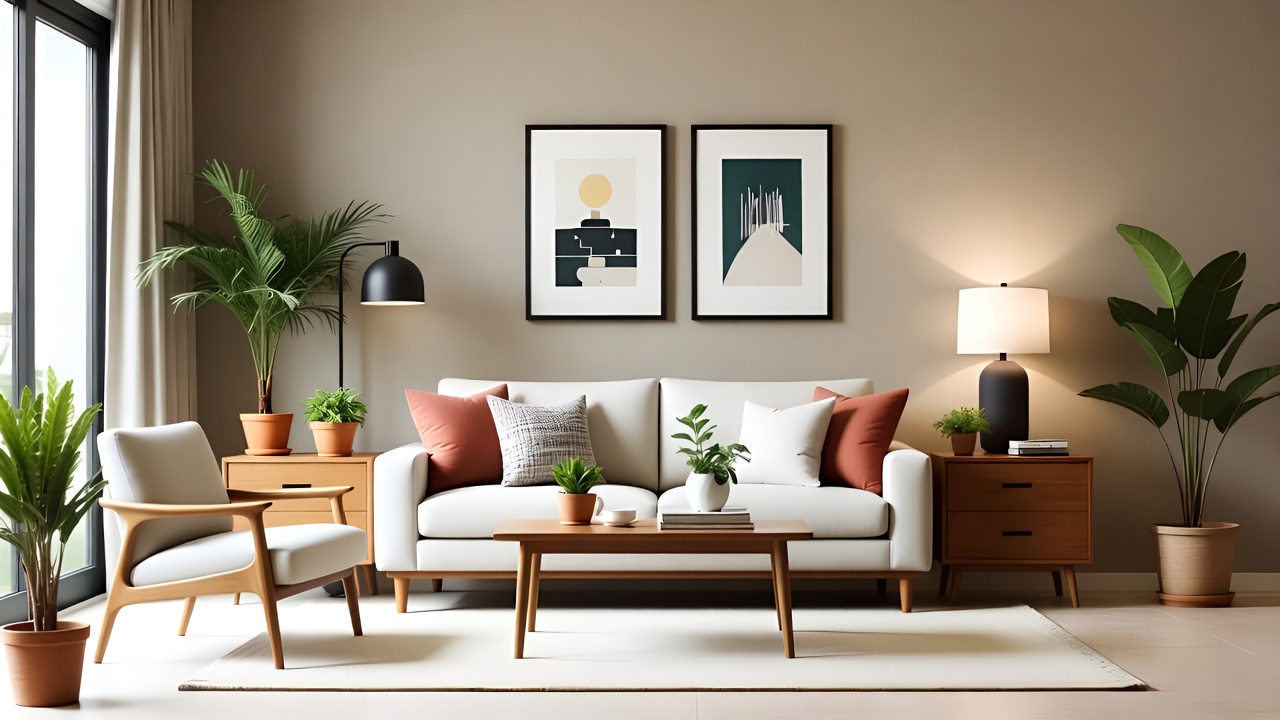
Eh, you know, after a long day squeezing onto the MRT and staring at a screen in the office, the last thing you want is to come home to a desk that makes your neck and shoulders ache even more, right? I've heard so many friends complaining about this in our WhatsApp group! Especially those of us living in HDBs, where space is, let's just say, a *premium*. But don't worry, it's confirm can fix! We're gonna talk about how to arrange your keyboard properly at your desk, so your body feels shiok, not sian.
See, interior design is the art and science of planning and designing interior environments to enhance functionality, aesthetics, health, safety, and the overall human experience within a space. That means it's not just about making your home look nice (although, of course, that's important too!). It's about making it work *for* you. Think of it like this: your home should be your personal recharge station, not another source of stress. And that includes your work-from-home setup, especially if you're in a smaller HDB flat. Let's dive into how to make that happen.
Okay, so what exactly *is* ergonomics? Basically, it's all about designing things to fit the human body, not the other way around. Think about it: forcing yourself to contort into weird positions just to type on your keyboard? That just invites aches, pains, and long-term problems. And nobody wants that, especially not after a long day at the office and OT. Proper ergonomics helps prevent all that nonsense.
Now, in the context of your HDB, space is often a constraint. You might not have a huge, sprawling desk. But that doesn't mean you can't create an ergonomic setup. In fact, it makes it *more* important to be mindful of your keyboard placement! Consider this: a too-high keyboard forces you to hunch your shoulders. A keyboard that's too far away makes you reach and strain. A keyboard that's off to the side twists your wrists. None of these are good, lah!
Think about your typical HDB desk setup. Maybe it's a simple table tucked into a corner of your living room, or a repurposed dining table. Whatever it is, the goal is to make sure your body is in a neutral position. This means your wrists are straight, your elbows are at a 90-degree angle, and your shoulders are relaxed. Picture this: you sit down at your desk, and everything just *feels* right. No immediate aches, no feeling like you're about to develop a crick in your neck. Sounds good, right? That's the power of ergonomics, and it's totally achievable, even in our cozy Singapore homes.
And remember, it's not just about the keyboard. Your chair, your monitor, even the lighting all play a part. But getting your keyboard placement right is a great first step toward a more comfortable and productive work-from-home experience. Plus, a more ergonomic setup can help you focus better and feel less tired at the end of the day. Confirm can work better like that!
Alright, let's get down to the specifics. How do you actually *achieve* that perfect keyboard position in your HDB? Here's a step-by-step guide to help you out:
Start with Your Chair: This is the foundation of your ergonomic setup. Adjust your chair height so that your feet are flat on the floor or supported by a footrest. Your thighs should be parallel to the floor, and your knees should be at a 90-degree angle. A good chair makes a world of difference, even if you're working with a simple HDB desk. In Singapore’s smaller HDB homes and apartments, the master bedroom often doubles as a sanctuary—somewhere to truly rest after long workdays, do some light reading, or even handle occasional remote work when required. It’s frequent for Singapore homeowners to feel frustrated by arrangements that feel cramped, lighting that’s too harsh, or storage that eats into valuable floor space, making the room feel more functional than relaxing. That’s where thoughtful bedroom design truly excels—it centres around smart space planning, soothing neutral tones, multifunctional furniture, and clever lighting to create a peaceful retreat that boosts sleep quality while keeping everything tidy and airy. SUDDENLY the bedroom turns into the place you can’t wait to reach at the after a long day, helping you relax quicker, sleep deeper, and rise feeling energised and ready for the day ahead. Platforms like Wondrous La Vie provide tons of genuine homeowner transformations and easy connections to designers who specialise in these practical yet beautiful Singapore-style bedroom makeovers.. If your chair isn't adjustable, consider using cushions or a footrest to get the right height. Remember, a good mattress and sofa are important, but so is a good chair!
Position Your Keyboard: Place your keyboard directly in front of you, centered with your body. This prevents you from having to reach or twist to type. The keyboard should be close enough that your elbows are bent at a 90-degree angle and your shoulders are relaxed. If you have a numeric keypad, it should be off to the side so that it doesn't force you to reach further. For many HDB desks, space is tight, so consider a smaller, tenkeyless keyboard to save space and keep everything centered.
Wrist Support is Key: Your wrists should be straight and neutral while typing. This means they shouldn't be bent up, down, or to the sides. Use a wrist rest to support your wrists and keep them in a neutral position. There are tons of affordable options available online or at your local electronics store. Trust me, your wrists will thank you!
Monitor Placement Matters: While we're focusing on keyboard placement, it's important to remember that your monitor also plays a role. Position your monitor so that the top of the screen is at or slightly below eye level. This prevents you from having to crane your neck up or down. The monitor should also be an arm's length away from you. If you're using a laptop, consider using a laptop stand and an external keyboard and mouse to achieve the correct monitor height and keyboard position.
Take Breaks and Stretch: No matter how perfect your setup is, it's important to take regular breaks to stretch and move around. Get up and walk around for a few minutes every hour, and do some simple stretches to relieve muscle tension. This will help prevent fatigue and discomfort. Think of it like a mini-holiday for your body!
By following these steps, you can create an ergonomic keyboard setup that works for you, even in a small HDB space. Remember, it's all about finding what feels comfortable and natural for your body. Don't be afraid to experiment with different positions and accessories until you find what works best. Steady pom pi pi, you confirm can get there!
So, you've got the basics down, but what about those extra bits and bobs that can really elevate your ergonomic game? Let's talk about some essential accessories that can make a big difference, especially in a space-conscious HDB:
Wrist Rests: We touched on these earlier, but they're worth emphasizing. A good wrist rest provides support and cushioning for your wrists, keeping them in a neutral position and preventing strain. You can find wrist rests made of gel, memory foam, or even fabric. Choose one that feels comfortable and supportive for you. Some keyboards even come with built-in wrist rests, which can be a convenient option.
Adjustable Keyboard Trays: If your desk is too high, or if you just want more flexibility in your keyboard placement, an adjustable keyboard tray can be a lifesaver. These trays attach to the underside of your desk and allow you to adjust the height and angle of your keyboard. This can be especially helpful if you have limited space and need to position your keyboard in a specific way.
Ergonomic Keyboards: These keyboards are designed to promote a more natural hand and wrist position. They often feature a split design, with the keys separated into two sections to reduce strain on your wrists and forearms. Ergonomic keyboards can take some getting used to, but many people find them to be much more comfortable than traditional keyboards. Like that, you can type for longer without feeling pain.
Footrests: If your feet don't reach the floor when you're sitting at your desk, a footrest is a must-have. A footrest provides support for your feet and helps to maintain a proper posture. This can reduce strain on your legs and back. You can find adjustable footrests that allow you to customize the height and angle to your liking.
Monitor Stands or Arms: As mentioned before, monitor placement is crucial for ergonomics. A monitor stand or arm allows you to adjust the height, tilt, and swivel of your monitor, ensuring that it's positioned at the correct height and distance for your eyes. This can help prevent neck and eye strain. Some monitor arms even allow you to rotate your monitor from landscape to portrait mode, which can be useful for certain tasks.
After a long day squeezing onto the MRT and grinding through meetings, most Singaporeans just want to come home to a space that feels cosy and stress-free instead of piling on more fatigue. A disorganised space or an uncomfortable bedroom can make relaxing even tougher, especially when the whole family are trying to relax together. That’s where thoughtful interior design really makes a difference—it turns everyday rooms like your living area, sleeping space, or cooking zone into true recharge spots that actually help you unwind. With the right living room seating, mattress, or smart layout, suddenly walking through the door feels shiok lah, and simple upgrades can bring huge benefits to your well-being and family moments. Sites such as Wondrous La Vie make it more straightforward to find ideas and get in touch with designers who understand the Singapore home vibe spot on. This format lets you easily generate multiple SEO-optimised variations while keeping the core keyword "interior design" stable in the middle for strong on-page targeting..These accessories can help you create a more comfortable and ergonomic workspace, even in a small HDB. Don't be afraid to invest in a few key items that will make a big difference in your comfort and productivity. Remember, your health and well-being are worth it! One homeowner shared how connecting with the right designer via the platform turned their cramped HDB living room into a cosy family hangout – suddenly weekends feel so much better.
Okay, so you know the theory, but what does this actually *look* like in a real HDB setting? Let's explore some inspiration for small spaces:
The Corner Nook: Many HDB flats have a small corner that's perfect for a dedicated workspace. Use a corner desk to maximize space and create a cozy, productive area. Position your keyboard and monitor according to the ergonomic principles we discussed earlier. Add some shelves above the desk for storage and to personalize the space with plants or artwork. A small lamp can also help to create a warm and inviting atmosphere.
The Multi-Purpose Table: If you don't have a dedicated workspace, you can use a multi-purpose table as both a dining table and a desk. Choose a table that's the right height for
HDB ergonomic design: Neglecting regular breaks and stretching (pitfalls)