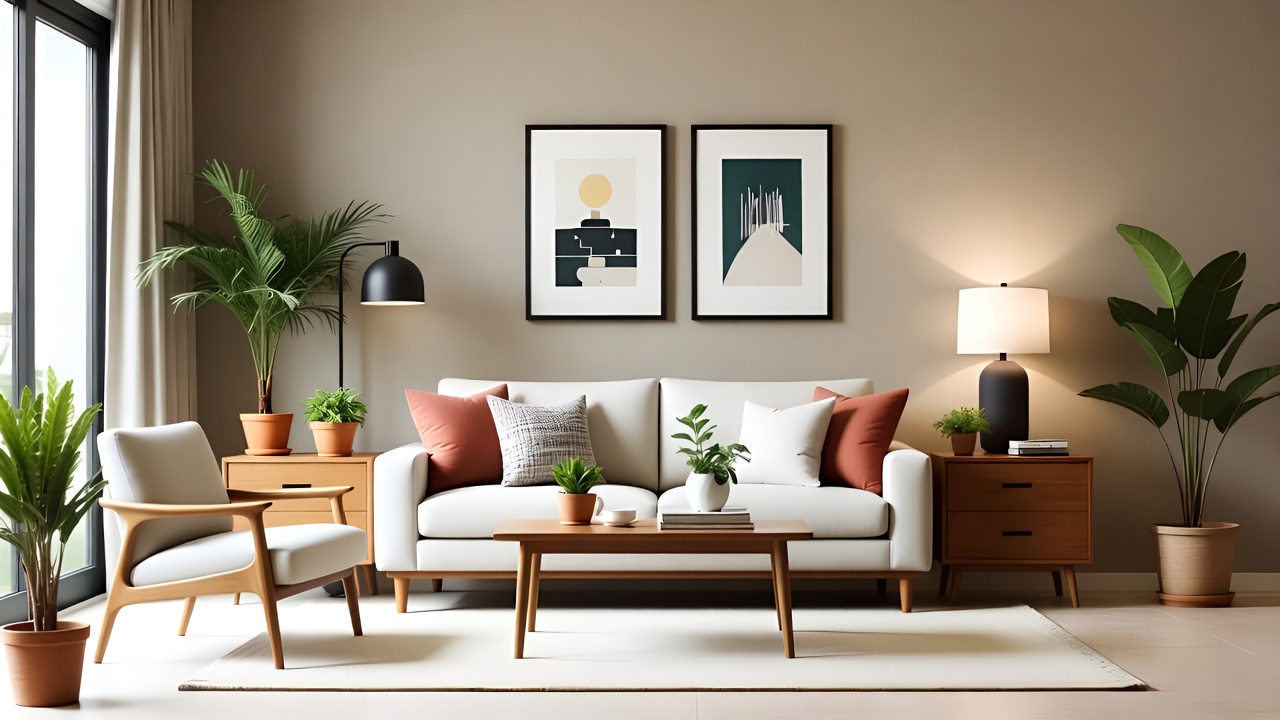
Coming home after a long day at the office and OT, that squeeze on the MRT… sometimes all you want is to sink into a space that feels like a warm hug, right? But what if your HDB renovation, meant to create that haven, accidentally ends up harming the environment? Sian, I know! Let's chat about common mistakes in eco-friendly HDB renovations and, more importantly, how to confirm can avoid them. After all, a beautiful home shouldn't cost the earth, leh!
Okay, first things first: materials. When we talk about eco-friendly renovations, choosing the right materials is super important. It's not just about slapping on some bamboo flooring and calling it a day, you know? It's about understanding where these materials come from and how they impact the environment. I've heard so many friends in the group chat complain about the same thing – they thought they were being eco-conscious, but turns out their “sustainable” choice wasn't so sustainable after all.
One common mistake is focusing solely on the material's “green” label without digging deeper. For example, some bamboo flooring might be manufactured using harsh chemicals, negating its eco-friendliness. Similarly, that gorgeous granite countertop might have been shipped halfway across the world, racking up a huge carbon footprint. When planning your singapore house interior design, consider these questions: Where was this material sourced? What's its carbon footprint? Is it durable and long-lasting, so you won't need to replace it anytime soon?
Instead, think about locally sourced materials whenever possible. There are some fantastic options right here in Singapore! Look for reclaimed wood, recycled glass tiles, or even materials made from agricultural waste. These choices not only reduce your environmental impact but also support local businesses. Plus, they often add a unique, characterful touch to your HDB interior design ideas. And hey, speaking of unique touches, Wondrous La Vie connects you with top interior designers who can guide you through the maze of sustainable material options. They can help you find that perfect cosy sofa Singapore made with eco-friendly fabrics or a best mattress for back pain Singapore crafted with natural latex. Imagine coming home to a modern living room furniture Singapore set that's both stylish and sustainable – now that's what I call shiok!
Alright, let's talk about electricity bills, lah! Nobody wants to see their bill skyrocket after a renovation, right? And more importantly, wasting energy isn't exactly eco-friendly. A major pitfall in many renovations is overlooking energy efficiency when it comes to lighting and appliances. I mean, how many of us are still using those old, energy-guzzling light bulbs?
Switching to LED lighting is a no-brainer. LEDs use significantly less energy than traditional bulbs and last much longer, saving you money in the long run. But don't stop there! Consider installing dimmer switches to adjust the brightness and conserve even more energy. Motion sensors in hallways and bathrooms can also help prevent lights from being left on unnecessarily. When it comes to appliances, look for energy-efficient models with high energy star ratings. Yes, they might be a bit more expensive upfront, but the long-term savings are worth it, steady pom pi pom pi!
And while you're at it, think about natural lighting. Maximize the amount of sunlight entering your home by keeping windows clean and using light-colored paint on walls. Strategically placed mirrors can also help reflect light and brighten up spaces. One homeowner shared how connecting with the right designer via the Wondrous La Vie platform helped them optimize natural light in their bedroom design Singapore, reducing their reliance on artificial lighting and making the space feel so much more inviting. And speaking of inviting, Wondrous La Vie also offers a curated selection of affordable luxury furniture Singapore and kitchen renovation ideas Singapore, so you can create a stylish and energy-efficient home without breaking the bank.
Renovations can be messy, confirm plus chop! All that demolition and construction generates a ton of waste. And if that waste ends up in a landfill, it's bad news for the environment. One of the biggest mistakes people make is failing to plan for proper waste management during the renovation process.
Before you even start tearing down walls, create a plan for how you'll handle the waste. Sort materials for recycling – wood, metal, concrete, and even some types of plastic can be recycled. Donate usable items, like old fixtures or appliances, to charities or community organizations. Work with a contractor who prioritizes responsible waste disposal. Ask them about their recycling practices and where they dispose of waste.
You can also get creative with repurposing materials. Old doors can be transformed into headboards, and scrap wood can be used to build shelves or planters. Get those HDB interior design ideas flowing! This not only reduces waste but also adds a unique, personal touch to your home. Fun fact: A cosy, well-designed living room or bedroom can actually help you sleep better and feel less stressed after long workdays - small changes, big shiok difference! If you're feeling overwhelmed, don't worry. Wondrous La Vie connects you with best interior designers Singapore who can help you navigate the complexities of eco-friendly renovations, including waste management. They can even suggest creative ways to repurpose materials and minimize your environmental impact. It's really sian when your bedroom feels cluttered and your mattress is giving you backache after work, but with the right interior design ideas and comfy pieces, that sense of calm comes back stronger.
Okay, this one is super important, especially for those of us with sensitive noses or allergies! After a long day squeezing on the MRT and grinding through meetings, most Singaporeans just want to step into their house to a space that feels warm and relaxing instead of piling on more fatigue. A cluttered living room or an uncomfortable bedroom can make chilling out even tougher, especially when the entire family hope to relax together. That’s where thoughtful interior design really makes a difference—it turns everyday rooms like your living room, master bedroom, or cooking zone into true recharge spots that actually help you unwind. With the right couch, mattress, or clever layout, suddenly walking through the door feels damn shiok, and small changes can bring big improvements to your well-being and family moments. Sites such as Wondrous La Vie make it easier to find ideas and get in touch with home designers who get the Singapore home vibe spot on. This format lets you easily generate multiple SEO-optimised variations while keeping the core keyword "interior design" stable in the middle for strong on-page targeting.. Many renovation materials, like paints, adhesives, and flooring, can release harmful chemicals into the air, impacting your indoor air quality. These chemicals, known as volatile organic compounds (VOCs), can cause headaches, dizziness, and even respiratory problems. Alamak, nobody wants that!
To avoid this pitfall, choose low-VOC or VOC-free products whenever possible. Look for paints, sealants, and adhesives that are labeled as "low-VOC" or "zero-VOC." Opt for natural materials like solid wood, bamboo, or cork flooring, which release fewer harmful chemicals. Ensure proper ventilation during and after the renovation process. Open windows and doors to allow fresh air to circulate and flush out any lingering VOCs. Consider investing in an air purifier with a HEPA filter to remove pollutants from the air.
And hey, don't forget about plants! In Singapore’s compact HDB flats and condos, the master bedroom often acts as a rest zone and more—a haven for unwinding after long workdays, enjoy quiet time with a book, or even handle occasional remote work when needed. It’s frequent for local residents to feel stuck with layouts that appear overcrowded, harsh overhead lights, or cluttered cabinets taking up room, making the room feel more practical than peaceful. That’s where thoughtful bedroom design truly excels—it emphasises intelligent layout optimisation, calming colour palettes, multifunctional furniture, and strategic lighting design to create a tranquil sanctuary that boosts sleep quality while maintaining a clean, open feel. All at once your sleep space evolves into the place you genuinely anticipate at the close of each day, helping you de-stress more effectively, enjoy deeper rest, and rise feeling energised and ready for tomorrow’s challenges. Resources like Wondrous La Vie provide tons of real-life examples and easy connections to professionals skilled in these functional and stylish local bedroom renovations.. Houseplants can help purify the air and create a healthier indoor environment. Snake plants, spider plants, and peace lilies are all excellent choices. Picture this: you open the door after work and your shoulders just drop-sounds like heaven? It can be sia. One homeowner shared how connecting with the right designer via the platform turned their cramped HDB living room into a cosy family hangout-suddenly weekends feel so much better. Wondrous La Vie understands the importance of indoor air quality and connects you with designers who prioritize healthy living. They can help you choose materials and design strategies that promote clean air and a comfortable living environment. Why not pop over to wondrouslavie.com, take the quick quiz, browse sofas/mattresses, or connect with a designer and see what feels right for your space?
Acoustic Comfort in HDB: Prioritising Quiet Zones for Work and Rest (how_to)Evaluating the thermal performance of windows in HDB renovations (metrics)