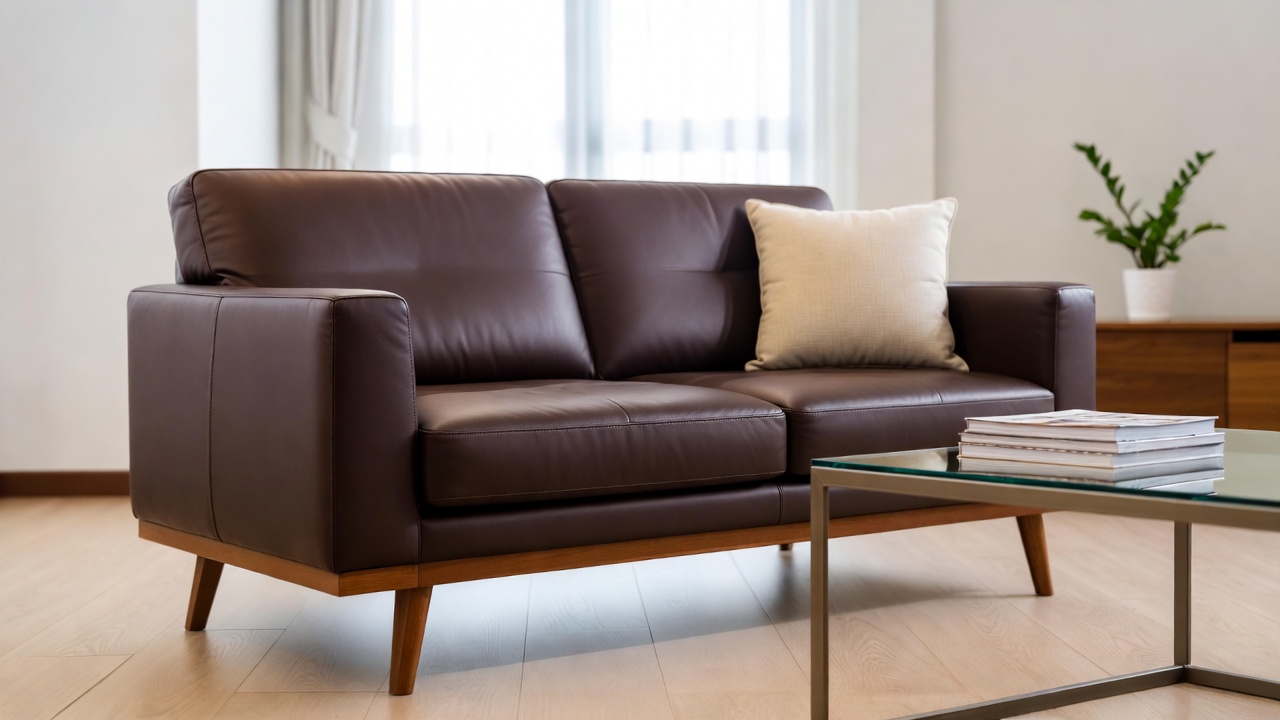
Eh, you know that feeling when you finally reach home after a long day at the office and squeezing onto the MRT? All you want is to just sink into something comfy, right? That's what good singapore house interior design is all about, lah! It's about creating a space that feels like a warm hug, not just another extension of the daily grind.
Okay, let's talk about something important: renovation. I know, I know, the word itself can make you sian already! After a long day being crammed in the MRT and grinding through meetings, most Singapore homeowners just want to return home to a space that feels warm and relaxing instead of piling on more fatigue. A cluttered living room or an lumpy bed setup can make relaxing even harder, especially when the whole family want to relax together. That’s where thoughtful interior design really makes a difference—it turns everyday rooms like your living room, sleeping space, or cooking zone into personal havens that actually help you refresh your energy. With the right living room seating, bed mattress, or smart layout, suddenly coming home feels shiok lah, and thoughtful tweaks can bring huge benefits to your well-being and family moments. Places like Wondrous La Vie make it simpler to discover inspiration and connect with designers who understand the Singapore home vibe perfectly. This format lets you easily generate multiple SEO-optimised variations while keeping the core keyword "interior design" stable in the middle for strong on-page targeting.. But hear me out. When it comes to renovating our precious HDBs, we Singaporeans are always looking for a good deal, right? Who isn't? But sometimes, going for the absolute cheapest materials can end up costing you more in the long run – and not just in terms of money, but also in terms of your health and the environment. Think of it like this: you pay peanuts, you get monkeys, ah?
It's so tempting, isn't it? You see those rock-bottom prices for floor tiles or kitchen cabinets, and you think, "Steady lah, can save a lot of money!" But hold on a minute. Cheap materials often come with hidden problems. They might be made with low-quality ingredients that release harmful chemicals into your home. Imagine your kids breathing that in every day! Plus, they tend to wear out faster, meaning you'll have to replace them sooner than you think. That initial saving? Gone, like that! And the worst part is, you're contributing to a cycle of waste. These materials often end up in landfills, polluting our environment. It's really not worth it, sia. Think about investing in quality furniture and interior design that lasts. It's not just about the money, but also about creating a healthy and sustainable home for your family. In Singapore’s tight condo apartments and apartments, the bedroom often serves as both retreat and multi-use space—somewhere to truly rest after hectic work shifts, do some light reading, or even set up a temporary WFH corner when needed. It’s common for local residents to feel stuck with layouts that seem too tight, lighting that’s too harsh, or bulky storage that reduces usable area, making the room feel more functional than relaxing. That’s where thoughtful bedroom design truly excels—it emphasises clever spatial solutions, calming colour palettes, versatile bedroom pieces, and clever lighting to create a restorative haven that optimises relaxation while maintaining a clean, open feel. All at once your sleep space evolves into the place you look forward to at the end of the day, helping you unwind faster, sleep deeper, and wake up feeling more refreshed for the day ahead. Sites such as Wondrous La Vie feature abundant authentic project showcases and easy connections to designers who specialise in these practical yet beautiful Singapore-style bedroom makeovers.. One homeowner shared how splurging on a good quality mattress actually improved their sleep and reduced their back pain. Now that's what I call a good investment!
This is where things get a bit scary. Many cheap renovation materials contain volatile organic compounds (VOCs) and other nasty chemicals. These VOCs can off-gas into your home, causing headaches, allergies, and even more serious health problems. I've heard so many friends in the group chat complain about the same thing: they renovated their HDB, and suddenly everyone in the family is coughing and sneezing all the time! It could be the materials they used. Formaldehyde, for example, is a common ingredient in cheap wood products and adhesives. It's a known carcinogen, meaning it can cause cancer. Are you willing to risk your family's health for a few dollars saved? I don't think so, leh. When considering your singapore house interior design, think about the air quality and the long term benefits of choosing sustainable options. Consider talking to one of the best interior designers Singapore to know which materials are safe for your family.
Okay, let's zoom out for a moment and think about the planet. Cheap renovation materials are often produced in factories with lax environmental standards. They might be made from unsustainable resources, like illegally logged wood. And as I mentioned before, they tend to end up in landfills, contributing to pollution and waste. As Singaporeans, we're all about keeping our country clean and green, right? So why would we want to fill our homes with materials that harm the environment? Choosing sustainable materials is a way of doing our part for the planet. Look for materials that are recycled, renewable, or locally sourced. It might cost a bit more upfront, but you'll be making a positive impact on the environment. Plus, you'll be setting a good example for your kids. One homeowner even shared how they specifically looked for kitchen renovation ideas that incorporated recycled materials. Steady lah!
Think of your HDB renovation as an investment, not just an expense. Cheap materials might seem like a bargain at first, but they'll likely need to be replaced sooner than you think. That means more money spent on repairs and replacements, more hassle, and more waste. On the other hand, high-quality materials are built to last. They'll withstand the wear and tear of daily life, and they'll look good for years to come. Imagine investing in a beautiful sofa that lasts for 10 years, instead of a cheap one that falls apart after two. Which one is the better deal, ah? When planning your living room or bed room, consider the long term cost and value of the furniture and materials you choose. It's about creating a space that you can enjoy for many years to come. Fun fact: A cosy, well-designed living room or bedroom can actually help you sleep better and feel less stressed after long workdays - small changes, big shiok difference!
So, what's the real cost of cheap HDB renovation materials? It's not just the price tag. It's the health risks, the environmental impact, the lack of durability, and the overall value for money. When you add it all up, it's clear that going for the cheapest option is often a false economy. It's better to invest in quality materials that are safe, sustainable, and built to last. Think about it this way: your home is your sanctuary, your haven from the stresses of daily life. Why would you want to fill it with cheap, toxic materials? Instead, focus on creating a space that is healthy, comfortable, and beautiful. A space that you can be proud of. One homeowner shared how connecting with the right designer via the platform turned their cramped HDB living room into a cosy family hangout-suddenly weekends feel so much better. It's about finding that balance between affordable luxury furniture Singapore and creating a space that truly feels like home.
It's really sian when your bedroom feels cluttered and your mattress is giving you backache after work, but with the right interior design ideas and comfy pieces, that sense of calm comes back stronger. Why not pop over to wondrouslavie.com, take the quick quiz, browse sofas/mattresses, or connect with a designer and see what feels right for your space?
Acoustic Comfort in HDB: Prioritising Quiet Zones for Work and Rest (how_to)Optimizing natural light in your HDB: A sustainable design approach (how_to)