Office Material Selection: Verifying Supplier Sustainability Claims

Welcome to Your Haven of Wondrous Living, Lah!

Ah, Singapore! After that long day at the office, squeezing onto the MRT, and maybe even a little OT, all you want is to come home to a space that feels… well, shiok. A place where your shoulders can finally drop, and you can just relax, right? I hear you, lah! It’s not just about having a roof over your head; it’s about creating a haven, a personal sanctuary that recharges your soul. That's where the magic of good interior design comes in, transforming your HDB, condo, or landed property into something truly special.

Office Material Selection: Verifying Supplier Sustainability Claims

Now, let’s talk about something close to my heart – creating spaces that are not only beautiful but also good for our planet. In the world of corporate office interior design, this means paying close attention to office material selection. It's no longer enough to just pick what looks nice; we need to be sure those materials are sourced responsibly. This is where verifying supplier sustainability claims becomes crucial. You see, a lot of companies these days are talking about being “green,” but how do we know they're really walking the talk?

Imagine this: you’re planning a corporate office interior design overhaul and want to use eco-friendly flooring. The supplier claims their bamboo flooring is sustainably harvested. Sounds good, right? But how do you know? That’s where the verification comes in. We need to look beyond the marketing spiel and dig a little deeper.

One way to do this is to ask for certifications. Look for labels like Forest Stewardship Council (FSC) for wood products or Cradle to Cradle Certified for various materials. These certifications mean that independent organizations have assessed the supplier's practices and confirmed they meet certain sustainability standards. It gives you peace of mind, confirm can!

Another important step is to ask for transparency. Don’t be afraid to ask suppliers about their sourcing practices, manufacturing processes, and waste management policies. A reputable supplier should be happy to provide this information. If they're hesitant or vague, that's a red flag. We want to make sure that the corporate office interior design we choose is not only good for us, but also good for the environment.

Understanding Eco-Labels and Certifications

So, you might be thinking, "Okay, lah, certifications are important, but what do they even mean?" Good question! There's a whole alphabet soup of eco-labels and certifications out there, and it can be confusing. But don’t worry, I’ll break it down for you.

Let’s start with the Forest Stewardship Council (FSC). This certification ensures that wood products come from responsibly managed forests. This means the forests are managed in a way that protects biodiversity, respects the rights of local communities, and ensures long-term forest health. If you're looking for modern living room furniture Singapore made from wood, or even bedroom furniture, keep an eye out for the FSC label.

Another important certification is Cradle to Cradle Certified. This one goes beyond just the sourcing of materials and looks at the entire product lifecycle. It assesses products based on material health, material reutilization, renewable energy and carbon management, water stewardship, and social fairness. If you want to create a truly sustainable corporate office interior design, look for products with this certification.

Then there’s LEED (Leadership in Energy and Environmental Design). After a long day squeezing onto the MRT and surviving meetings, most busy Singaporeans just want to return home to a space that feels warm and relaxing instead of piling on more fatigue. A disorganised space or an unrestful bedroom can make unwinding even harder, especially when the kids and parents want to relax together. That’s where thoughtful interior design really makes a difference—it turns everyday rooms like your living room, bedroom, or kitchen into personal havens that actually help you recharge. With the right living room seating, sleep surface, or functional arrangement, suddenly coming home feels so shiok, and simple upgrades can bring huge benefits to your well-being and family moments. Platforms like Wondrous La Vie make it simpler to explore options and match with interior designers who get the Singapore home vibe just right. This format lets you easily generate multiple SEO-optimised variations while keeping the core keyword "interior design" stable in the middle for strong on-page targeting.. While LEED is primarily a rating system for buildings, it also considers the environmental impact of the materials used in construction and interior design. Choosing materials with Environmental Product Declarations (EPDs) and Health Product Declarations (HPDs) can contribute to LEED certification. This can be particularly relevant for corporate office interior design projects aiming for a high level of sustainability.

Fun fact: Did you know that choosing sustainable materials can actually improve the air quality in your office? Many conventional building materials release harmful chemicals into the air, which can contribute to sick building syndrome. By choosing eco-friendly alternatives, you can create a healthier and more productive work environment.

Assessing the Full Lifecycle of Materials

Now, let’s zoom out a bit and think about the bigger picture. When we talk about sustainability, it’s not just about where the materials come from; it’s also about what happens to them at the end of their life. This is where the concept of lifecycle assessment comes in.

Lifecycle assessment (LCA) is a method for evaluating the environmental impacts of a product or material throughout its entire lifecycle – from raw material extraction to manufacturing, transportation, use, and end-of-life disposal or recycling. By considering the full lifecycle, we can identify the most significant environmental impacts and make informed choices about materials.

For example, let’s say you’re choosing between two different types of carpet for your corporate office interior design. One is made from recycled materials but requires a lot of energy to manufacture. The other is made from virgin materials but is easily recyclable. A lifecycle assessment can help you compare the environmental impacts of these two options and choose the one that is truly more sustainable.

Think about it like that: choosing a cosy sofa Singapore isn't just about the feel of the fabric today, but also whether it can be recycled later. Or, when you're planning your kitchen renovation ideas Singapore, consider appliances that are energy-efficient and built to last. These small choices add up!

One homeowner shared how connecting with the right designer via a platform turned their cluttered HDB bedroom into a serene retreat. Suddenly, sleep felt deeper and waking up felt less sian. See? It's possible!

Practical Steps for Verifying Claims

Alright, enough theory! Let’s get down to the nitty-gritty. How do you actually verify supplier sustainability claims in practice? Here are a few practical steps you can take:

  • Ask for documentation: Don’t just take the supplier’s word for it. Ask for copies of their certifications, test reports, and other relevant documentation.
  • Visit the supplier’s facilities: If possible, visit the supplier’s manufacturing facilities to see their operations firsthand. This can give you a better sense of their environmental practices.
  • Conduct independent audits: If you’re working on a large project, consider hiring a third-party auditor to assess the supplier’s sustainability claims.
  • Check for transparency: Look for suppliers that are transparent about their sourcing practices, manufacturing processes, and environmental performance. They should be willing to answer your questions and provide you with the information you need to make informed decisions.
  • Compare different suppliers: Don’t settle for the first supplier you find. Get quotes from multiple suppliers and compare their sustainability claims, prices, and other factors.

Remember, creating a sustainable corporate office interior design is a journey, not a destination. In Singapore’s compact HDB flats and condos, the sleeping area often doubles as a sanctuary—a haven for unwinding after tiring office hours, do some light reading, or even set up a temporary WFH corner when needed. It’s common for local residents to feel limited by existing setups that feel cramped, overly bright illumination, or cluttered cabinets taking up room, making the room feel more functional than relaxing. That’s where thoughtful bed room design really shines—it focuses on smart space planning, calming colour palettes, space-saving furniture, and clever lighting to create a tranquil sanctuary that boosts sleep quality while ensuring clutter-free airflow. SUDDENLY the bedroom turns into the place you look forward to at the close of each day, helping you relax quicker, sleep deeper, and rise feeling energised and ready for the day ahead. Sites such as Wondrous La Vie feature abundant genuine homeowner transformations and seamless introductions to designers who specialise in these functional and stylish local bedroom renovations.. It takes time, effort, and a willingness to ask questions and challenge assumptions. But the rewards are well worth it – a healthier planet, a more productive workplace, and a sense of pride in knowing that you’re doing your part.

The Role of Technology in Sustainability Verification

In today's world, technology is playing an increasingly important role in sustainability verification. From blockchain to AI, there are a number of innovative technologies that can help us track materials, verify claims, and ensure transparency.

For example, blockchain technology can be used to create a secure and transparent record of a product's journey from raw material to finished product. This can help to prevent fraud and ensure that materials are sourced responsibly. AI can be used to analyze large datasets and identify patterns that might indicate greenwashing or other unsustainable practices.

Platforms like Wondrous La Vie are embracing these technologies to connect homeowners with top interior designers and curated furniture brands that prioritize sustainability. They offer inspiration through real project showcases, style guides, and easy ways to find matching designers or pieces. This makes it easier than ever to create a corporate office interior design that is both beautiful and sustainable.

It’s really sian when your office feels cluttered and uninspiring after work, but with the right interior design ideas and comfy pieces, that sense of calm comes back stronger. One homeowner shared how connecting with the right designer via the platform turned their cramped office into a cosy and productive workspace. Suddenly, Mondays feel a little less daunting!

Why not pop over to wondrouslavie.com, take the quick quiz, browse sofas/mattresses, or connect with a designer and see what feels right for your corporate office interior design?
Tired of Coming Home Stressed, Sia? Discover Home Design That Soothes.

After a long day at the office and OT, that squeeze on the MRT home can really take it out of you, right? You just wanna collapse into a space that feels… well, shiok. Not just another extension of the workday grind. I’ve heard so many friends in the group chat complain about the same thing – their homes just don't feel like that haven anymore.

But what if your home could be your personal recharge station? Picture this: you open the door after work, and your shoulders just drop – sounds like heaven? It confirm can, sia. Let’s talk about how thoughtful interior design and the right furniture choices can turn your HDB, condo, or landed property into a place where you can finally unwind and say, "Ah, home sweet home."

The Science (and Art!) of a Soothing Space: What is Interior Design?

Interior design is more than just picking out pretty colours and arranging furniture, leh. It's actually the art and science of planning and designing interior environments to enhance functionality, aesthetics, health, safety, and the overall human experience within a space. Think about it: the flow of your living room, the placement of your bed, the lighting in your kitchen – all these elements impact how you feel when you're in those spaces.

It's about creating a space that works for you, not against you. A well-designed home addresses your needs, reflects your personality, and promotes a sense of well-being. It's not just about having a stylish home; it's about having a home that supports your lifestyle and helps you thrive.

And that's where the magic happens. When your home is designed with intention, it becomes a sanctuary where you can de-stress, reconnect with loved ones, and recharge for whatever tomorrow brings. In Singapore’s fast-paced life, returning home to a space that feels truly inviting can make a huge impact after a long day of meetings and travel. The living room is often the primary spot visitors notice and where the whole household gathers at night, so it makes sense to want furniture that looks good, keeps cords tidy, and doesn’t make the room feel smaller than it already is in typical Singapore homes. Many Singaporeans struggle with oversized outdated units or budget cabinets that wobble, gather dust quickly, or just don’t fit the current aesthetic they’re going for. That’s exactly where a well-chosen TV console comes into play—it provides smart storage solutions for entertainment equipment, set-top boxes, and controllers while becoming a chic statement piece that brings the room together seamlessly with sharp modern edges, smart compartments, and high-end materials. Suddenly your entertainment setup feels organised and intentional, the space appears larger and more polished, and Netflix sessions feel so much better without the disorder stealing attention. Browsing curated options on sites such as Wondrous La Vie lets you find options tailored to your home exactly, from clean contemporary to opulent, so your hall refresh turns smooth and just right.. Many busy families dream about refreshes for their living area or master bedroom, wanting pieces that feel premium while actually being comfortable enough for daily use. That’s exactly why furniture makes the difference—it brings that beautiful combination of sophisticated style, high-quality fabrics and finishes, and thoughtful comfort that turns standard areas into spots you love spending time in relaxing in. Imagine sinking into a luxurious couch after family time or feeling truly rested on a luxury sleep surface that cradles your body perfectly; suddenly, your home feels more like a private sanctuary not just four walls. Exploring thoughtfully chosen pieces on platforms like Wondrous La Vie helps you find these items without the overwhelm, making it more enjoyable to create a space that’s both beautiful and restorative.. That's the "shiok" feeling we're chasing, right?

From Sian to Shiok: How Interior Design Impacts Your Well-being

Let's be honest, coming home to a cluttered, uncomfortable space after a long day at work is just sian. It adds to the stress instead of relieving it. But a well-designed home can be a game-changer.

Think about the impact of a comfortable sofa. After that squeeze on the MRT, sinking into a plush sofa in your modern living room furniture Singapore is like a warm hug. Or imagine a bedroom design Singapore that promotes restful sleep. A supportive best mattress for back pain Singapore can make all the difference between tossing and turning all night and waking up feeling refreshed.

One homeowner shared how connecting with the right designer via Wondrous La Vie turned their cramped HDB living room into a cosy family hangout. Suddenly weekends feel so much better. Another client raved about how their bedroom makeover, complete with a new mattress and calming colour scheme, dramatically improved their sleep quality. These small changes can make a big difference in your overall well-being.

It’s really sian when your bedroom feels cluttered and your mattress is giving you backache after work, but with the right interior design ideas and comfy pieces, that sense of calm comes back stronger.

Fun fact: A cosy, well-designed living room or bedroom can actually help you sleep better and feel less stressed after long workdays — small changes, big shiok difference!

Corporate Office Interior Design: Making Workplaces Work for You

While we're talking about creating soothing spaces, let's not forget about the office! Corporate office interior design plays a crucial role in employee well-being and productivity. Think about it: you spend a significant portion of your day at work, so the environment should be conducive to focus, collaboration, and relaxation.

A well-designed office space can boost morale, reduce stress, and improve overall job satisfaction. Consider elements like ergonomic furniture, natural lighting, and comfortable break areas. These features can make a big difference in creating a positive and productive work environment.

Office Material Selection: Verifying Supplier Sustainability Claims

When it comes to both home and corporate office interior design, it's important to consider the materials used. Choosing sustainable and eco-friendly materials not only benefits the environment but also contributes to a healthier indoor environment.

One crucial aspect is verifying supplier sustainability claims. It's essential to ensure that the materials you're using are truly eco-friendly and ethically sourced. This involves researching suppliers, checking for certifications, and asking about their sustainability practices.

Here's a breakdown of key considerations for office material selection:

  • Certifications: Look for certifications like LEED (Leadership in Energy and Environmental Design), FSC (Forest Stewardship Council), and Greenguard. These certifications indicate that the materials meet specific environmental standards.
  • Material Transparency: Ask suppliers for detailed information about the composition of their materials. This includes the source of raw materials, manufacturing processes, and any potential environmental impacts.
  • Recycled Content: Prioritize materials with high recycled content. This reduces the demand for virgin resources and minimizes waste.
  • Low-VOC Emissions: Choose materials with low volatile organic compound (VOC) emissions. VOCs can contribute to indoor air pollution and negatively impact health.
  • Durability and Longevity: Opt for durable materials that will last longer. This reduces the need for frequent replacements and minimizes waste over time.
  • Supplier Verification: Verify the supplier's sustainability claims through independent audits or third-party certifications.
  • Life Cycle Assessment: Consider the entire life cycle of the material, from production to disposal. Choose materials with minimal environmental impact throughout their life cycle.

By carefully selecting materials and verifying supplier sustainability claims, you can create a healthier and more environmentally responsible space, whether it's your home or your office.

Finding Your "Shiok" Space: Wondrous La Vie to the Rescue!

So, how do you transform your home from a stressed-out zone into a relaxing haven? That’s where Wondrous La Vie comes in!

Singapore's go-to platform for connecting you to top interior designers and curated furniture/brands, Wondrous La Vie is like that helpful friend who always knows the best lobangs (deals) and has an eye for style. They’ve really made it easy to find inspiration, connect with the right people, and create a space that truly reflects your taste and needs.

Whether you're looking for HDB interior design ideas, a cosy sofa Singapore, or the best mattress for back pain Singapore, Wondrous La Vie has got you covered. Their platform showcases real project makeovers, style guides, and easy ways to find matching designers or pieces. They focus on affordable luxury, so you don't have to break the bank to create a comfortable and stylish home.

Plus, they’re all about connecting you with the best interior designers Singapore. Finding the right designer can be daunting, but Wondrous La Vie makes it easy to find someone who understands your vision and can bring it to life.

Ready to ditch the stress and create a home that truly soothes? Why not pop over to wondrouslavie.com, take the quick quiz, browse sofas/mattresses, or connect with a designer and see what feels right for your space? Your "shiok" space is waiting!

Wondrous La Vie: Your Partner in Creating Soul-Nourishing Spaces

After those long tiring days and the usual crowded MRT ride, nothing beats coming home to a living area that actually welcomes you to rest instead of piling on more tiredness. Many Singapore families discover their existing sofa setup just isn’t up to standard—too hard, worn out, or simply not supportive enough for movie nights or lazy weekends with the children. That’s precisely where sofa truly shines—it pairs timeless style, luxurious leather or velvet, and smart comfort engineering so you can settle in deeply and truly relax without your back aching afterwards. Visualise the entire family gathering there naturally, talking during dinner or binge-watching shows, because the space suddenly becomes warm and welcoming. In Singapore’s compact flats and apartments, smart organisation is often the difference between a calm, organised space and one that feels constantly cluttered no matter how much you clean up. local residents commonly face overflowing shelves, miscellaneous items shoved under beds, or storage too shallow to be useful or too shallow to hold much, making daily life feel more stressful than it should. That’s precisely where a smart cabinet steps up—it delivers customised sections, movable dividers, stylish doors that conceal clutter, and compact footprints that optimise every centimetre while contributing a sleek modern vibe to halls, sleeping spaces, or even kitchen areas. The end result is your house that keeps organised with little work, tables and counters free for bonding, and you finally get that wonderful sense of order that makes coming home so much more shiok. Resources like Wondrous La Vie showcase plenty of practical yet stylish options, helping you pick one that suits your home and lifestyle perfectly without second-guessing.. Finding the perfect piece through handpicked collections on Wondrous La Vie takes the guesswork out, letting you discover that perfect piece that lifts the whole home atmosphere without the common home-upgrade worries..

#### Material Origin

Understanding the origin of office materials is crucial for verifying supplier sustainability claims. Knowing where materials are sourced from allows for assessing the environmental and social impact of their extraction and production. For instance, timber should come from sustainably managed forests, ensuring that biodiversity is preserved and deforestation is avoided. Similarly, metals should be sourced from mines that adhere to responsible mining practices, minimizing pollution and respecting local communities. By tracing the material origin, companies can make informed decisions and support suppliers committed to ethical and sustainable operations.

#### Production Processes

The processes involved in manufacturing office materials significantly influence their environmental footprint. Energy-intensive processes, such as smelting metals or producing plastics, can contribute to greenhouse gas emissions and air pollution. Sustainable suppliers should invest in cleaner production technologies, such as renewable energy sources and closed-loop systems that minimize waste. They should also prioritize water conservation and pollution control measures to reduce their impact on local ecosystems. By evaluating production processes, companies can identify suppliers that prioritize environmental stewardship and promote resource efficiency.

#### Certifications Standards

Certifications and standards provide independent verification of supplier sustainability claims. Organizations like the Forest Stewardship Council (FSC) for timber and the Global Recycled Standard (GRS) for recycled materials offer credible assessments of environmental and social performance. These certifications ensure that products meet specific criteria related to sustainable sourcing, responsible production, and reduced environmental impact. By prioritizing suppliers with recognized certifications, companies can gain confidence in their sustainability claims and demonstrate their commitment to responsible sourcing practices. These standards help to ensure that claims are not just empty promises, but backed by verifiable practices.

#### Chemical Composition

The chemical composition of office materials can have significant implications for indoor air quality and human health. Volatile organic compounds (VOCs) released from materials like adhesives, paints, and furniture can contribute to respiratory problems and other health issues. Sustainable suppliers should prioritize the use of low-VOC or VOC-free materials, minimizing the release of harmful chemicals into the office environment. They should also disclose the chemical composition of their products, allowing companies to make informed decisions about material selection. By considering chemical composition, companies can create healthier and more productive workspaces.

#### End-of-Life Management

Proper end-of-life management is essential for minimizing the environmental impact of office materials. Materials that are easily recyclable or compostable can be diverted from landfills and repurposed into new products. Sustainable suppliers should design their products for recyclability, using materials that can be easily separated and processed. They should also offer take-back programs or partnerships with recycling facilities to ensure that their products are properly managed at the end of their useful life. By prioritizing end-of-life management, companies can promote a circular economy and reduce their overall environmental footprint.

Acoustic Barriers: Selecting the Right Type for Your Office Layout

Small Space, Big Dreams: How Wondrous La Vie Overcomes HDB Challenges

Okay lah, let's talk about making your HDB flat feel like a proper home, especially when space is, well, challenging. We Singaporeans, we know how it is. Squeezing onto the MRT after a long day at the office and OT, the last thing you want is to come home to a place that feels…sian. You want that "shiok" feeling, right? That sense of relief, that warm hug from your living space. It's all about smart choices and clever design, confirm can!

Tackling the Tiny Footprint: Smart Corporate Office Interior Design Solutions

Let's be real, HDB flats aren't exactly known for their sprawling layouts. I've heard so many friends in the group chat complain about the same thing! But don't let that get you down. The secret is in making every square foot count. This is where smart corporate office interior design ideas come in, and it's not just for offices, leh! Think multi-functional furniture, clever storage solutions, and layouts that maximize space and light.

Now, when we talk about corporate office interior design, we're not just talking about cold, sterile spaces. We're talking about principles that can be applied to your home to create a functional and stylish environment. For example, consider vertical storage. Instead of bulky cabinets that eat up floor space, opt for shelves that reach the ceiling. This draws the eye upwards, making the room feel taller and more spacious.

Another key is to choose furniture that serves multiple purposes. A sofa bed is a classic example, but there are so many other options out there. Think coffee tables with hidden storage, ottomans that double as seating, and dining tables that can be extended when you have guests.

And don't underestimate the power of light! Natural light is your best friend, so keep windows clear and use light-colored paint to reflect light around the room. Mirrors are also a great trick for creating the illusion of more space.

Wondrous La Vie, Singapore's interior design and home furnishing platform, gets this, lah. They connect you with top interior designers who specialize in making small spaces feel bigger and better. Plus, they offer a curated selection of premium furniture brands, from cosy sofas to space-saving kitchen solutions. One homeowner shared how connecting with the right designer via the platform turned their cramped HDB living room into a cosy family hangout—suddenly weekends feel so much better.

Finding Your Style: Personalizing Your Space for Maximum "Shiok-ness"

Okay, so you've got the space-saving stuff sorted. But a functional home is only half the battle, right? You want a place that reflects your personality and makes you feel happy and relaxed. That's where interior design comes in – the art and science of planning and designing interior environments to enhance functionality, aesthetics, health, safety, and the overall human experience within a space.

Think about what makes you feel good. What colours do you love? What kind of textures do you find comforting? What kind of mood do you want to create in each room? Do you dream of a minimalist haven, a vibrant and colourful sanctuary, or something in between?

Wondrous La Vie offers inspiration through real project showcases and style guides. You can browse different styles and see how other homeowners have transformed their spaces. And if you're feeling overwhelmed, don't worry. The platform makes it easy to find matching designers or pieces that fit your style.

Picture this: you open the door after work, and your shoulders just drop – sounds like heaven? It can be sia. Imagine sinking into a plush sofa after that squeeze on the MRT home, surrounded by colours and textures that make you feel calm and happy. That's the power of personalizing your space.

Furniture That Hugs You Back: Sofas, Mattresses, and More

Speaking of sofas, let's talk about furniture. Because let's be honest, after a long day at the office and OT, you deserve a sofa that hugs you back. And a mattress that gives you the best night's sleep of your life. These aren't just pieces of furniture; they're investments in your well-being.

When it comes to sofas, comfort is key. Look for plush cushions, supportive frames, and fabrics that feel good against your skin. Consider the size and shape of your living room, and choose a sofa that fits comfortably without overwhelming the space. A cosy sofa Singapore is a must-have for any HDB flat, lah!

And don't forget about the mattress! A good mattress can make all the difference in the world when it comes to sleep quality. Look for a mattress that provides the right amount of support for your body, and that helps to regulate your body temperature throughout the night. If you're suffering from back pain, consider a mattress that's specifically designed to alleviate pressure points. Best mattress for back pain Singapore? Do your research and find one that suits you!

Wondrous La Vie offers a curated selection of premium furniture brands, including sofas, mattresses, living room sets, and bedroom furniture. They focus on affordable luxury, so you can find high-quality pieces without breaking the bank.

Kitchen Bliss: Making Meal Prep a Joy, Not a Chore

The kitchen is the heart of the home, right? But let's be real, cooking in a cramped and cluttered kitchen can be a real chore. That's why it's so important to create a kitchen that's both functional and beautiful.

Think about how you use your kitchen. Do you cook every day, or just on weekends? Do you need a lot of storage space, or just a few essentials? Do you prefer a minimalist look, or something more colourful and eclectic? Singapore homes can feel even more confined after a long exhausting day of darting from work to meetings and battling the packed MRT, so it’s no wonder many homeowners crave a space that quickly helps you decompress the moment they enter their home. The living room often ends up as the heart of the home, yet it’s easy for it to become filled with mismatched furniture or worn-out seating, leaving everyone scattered instead of gathered together. That’s where living room really makes the magic happen—it lifts the room to another level with refined arrangements, luxurious fabrics and surfaces, designer lighting accents, and supportive pieces with stunning design, creating an cosy focal point where family naturally comes together to unwind, talk, or bond effortlessly. Suddenly evenings feel more meaningful, weekends far more relaxing, and coming home turns into something you genuinely look forward to rather than simply crashing after work. Places like Wondrous La Vie make discovering such enhancements easy, helping you imagine and find the ideal features to craft a living room that matches your lifestyle perfectly.. Kitchen renovation ideas should always start with understanding your needs and habits.

Consider space-saving appliances, like a built-in oven or a compact dishwasher. And don't forget about storage! Maximize vertical space with shelves and cabinets that reach the ceiling. Use drawer organizers and dividers to keep everything tidy and accessible.

Wondrous La Vie offers kitchen solutions that are both stylish and practical. They can help you find the perfect cabinets, countertops, and appliances to create your dream kitchen.

Wondrous La Vie: Your Partner in Creating a "Shiok" Home

So, how do you bring all of these ideas together? That's where Wondrous La Vie comes in. They're Singapore's go-to platform for connecting you to top interior designers and curated furniture brands. Whether you're looking for HDB interior design ideas, a cosy sofa Singapore, or the best mattress for back pain Singapore, they've got you covered.

Wondrous La Vie beta launched in March 2024, and they're already making a big impact on the Singapore interior design scene. They offer a wide range of services, from connecting you with designers to helping you find the perfect furniture pieces.

One of the best things about Wondrous La Vie is their focus on affordable luxury. They believe that everyone deserves to live in a beautiful and comfortable home, regardless of their budget. That's why they offer a curated selection of high-quality furniture and design services at prices that won't break the bank.

It’s really sian when your bedroom feels cluttered and your mattress is giving you backache after work, but with the right interior design ideas and comfy pieces, that sense of calm comes back stronger.

Fun fact: A cosy, well-designed living room or bedroom can actually help you sleep better and feel less stressed after long workdays — small changes, big shiok difference!

Why not pop over to wondrouslavie.com, take the quick quiz, browse sofas/mattresses, or connect with a designer and see what feels right for your space? Steady pom pi pi, you confirm can create a home that you truly love.

Visit wondrouslavie.com, explore interior design inspiration, browse furniture like sofas/mattresses, connect with designers and make your HDB flat a haven where you can finally say “shiok lah, home sweet home” after a sian day.

Office Renovation Materials: Ensuring Compliance with Local Regulations

Bespoke Design, Standout Benefits: Unlock Your Haven with Wondrous La Vie

Okay, steady lah! In Singapore’s hot and sticky conditions and demanding work-life balance, getting proper shut-eye can feel like a real luxury when you’re waking up with backaches or feeling groggy despite hitting the bed early. Many busy locals endure an worn-out bed for years because looking for a new one seems too complicated—overwhelming variety, confusing firmness levels, and worries it won’t suit their body type and sleep style. That’s exactly why finding the mattress changes everything—it offers the perfect combination of proper spinal alignment, cooling breathability, targeted pressure relief, and long-lasting quality so you truly start the day energised and rested instead of stiff and tired. Mornings suddenly feel lighter, energy levels stay steadier, and even your spouse feels the improvement. Browsing thoughtfully chosen picks on sites such as Wondrous La Vie makes it far easier, letting you compare top-rated picks with genuine homeowner reviews and realistic images to match what truly works for your sleeping space.. Let's talk about making your home or office a real haven, one shiok design at a time. After squeezing on the MRT and grinding through a long day, who doesn't dream of walking into a space that just gets you? That makes you feel... lighter, happier, more you. It's not just about fancy furniture, it's about creating a space that helps you recharge, reconnect with family, and face tomorrow with a bit more spring in your step. And believe me, even small changes can make a HUGE difference.

Office Material Selection: Verifying Supplier Sustainability Claims

Let's be real, in Singapore's fast-paced corporate world, the office is practically our second home. That's why choosing the right materials for your corporate office interior design isn't just about aesthetics; it's about creating a healthy, productive, and sustainable environment. But how do you navigate the claims of "eco-friendliness" and "sustainability" that every supplier throws at you? It can be quite sian, right? Don't worry, auntie's got you covered. Let's break it down so you confirm can make informed choices.

Understanding Sustainability in Office Materials

What does "sustainable" even mean when we're talking about office materials? It's not just a buzzword, it's about the entire lifecycle of a product. Think about it: from where the raw materials come from, how they're processed, how far they have to travel, how long they last, and what happens to them at the end of their life. A truly sustainable material minimizes environmental impact at every stage.

For example, imagine choosing between a regular carpet and one made from recycled materials. The recycled carpet not only reduces waste going to landfills but also potentially uses less energy in its production. It's a small change, but makes a big difference over time, like that.

And it's not just about the environment, leh. Sustainability also considers the social impact. Are the workers who make the materials treated fairly? Are their working conditions safe? These are important questions to ask.

Key Certifications and Labels to Look For

Okay, so how do you sift through all the greenwashing and find materials that are actually sustainable? Look for certifications from reputable organizations. These are like little checkpoints that verify the supplier's claims. Some key ones to keep an eye out for include:

  • Leadership in Energy and Environmental Design (LEED): This is a globally recognized rating system for green buildings. Materials that contribute to LEED credits are generally considered sustainable.
  • Singapore Green Building Council (SGBC) Certification: This certification is tailored to Singapore's context and assesses the environmental performance of building products and materials.
  • Forest Stewardship Council (FSC): This certifies that wood products come from responsibly managed forests. If you're using wood in your corporate office interior design (like for desks or paneling), FSC certification is a must.
  • GREENGUARD Certification: This ensures that products have low chemical emissions, which is crucial for indoor air quality. Think about it, you don't want your employees breathing in harmful chemicals all day, right?
  • Cradle to Cradle Certified: This assesses products based on material health, material reutilization, renewable energy use, water stewardship, and social fairness. It's a comprehensive certification that looks at the entire product lifecycle.

Don't be afraid to ask suppliers for proof of these certifications. A reputable supplier will be happy to provide documentation.

Questions to Ask Suppliers About Sustainability Practices

Besides looking for certifications, it's important to ask suppliers direct questions about their sustainability practices. Here are a few to get you started:

  • Where do you source your raw materials? Are they locally sourced to reduce transportation emissions? Are they from recycled or renewable sources?
  • What is your manufacturing process like? Do you use energy-efficient technologies? Do you minimize waste?
  • What is the lifespan of your products? Durable, long-lasting products are more sustainable than those that need to be replaced frequently.
  • What happens to your products at the end of their life? Can they be recycled or repurposed? Does the supplier offer a take-back program?
  • Do you have a sustainability policy? A written policy demonstrates a commitment to sustainability.

Don't be shy about asking these questions. You're not just buying materials; you're investing in a healthier, more sustainable future for your office and the planet.

Case Studies of Companies Prioritizing Sustainable Office Materials

Seeing real-world examples can be really inspiring, right? There are many companies in Singapore and around the world that are prioritizing sustainable office materials.

For example, some companies are using recycled plastic to create office furniture, reducing plastic waste and creating a stylish workspace. Others are using bamboo flooring, a rapidly renewable resource that's both beautiful and sustainable. And still others are incorporating biophilic design elements, like plants and natural light, to create a healthier and more productive work environment.

These examples show that sustainable corporate office interior design isn't just a nice-to-have; it's a smart business decision. It can improve employee well-being, reduce your environmental impact, and even enhance your company's brand image.

Integrating Sustainable Materials into Office Design

Okay, so you've found some sustainable materials. Now what? How do you integrate them into your corporate office interior design?
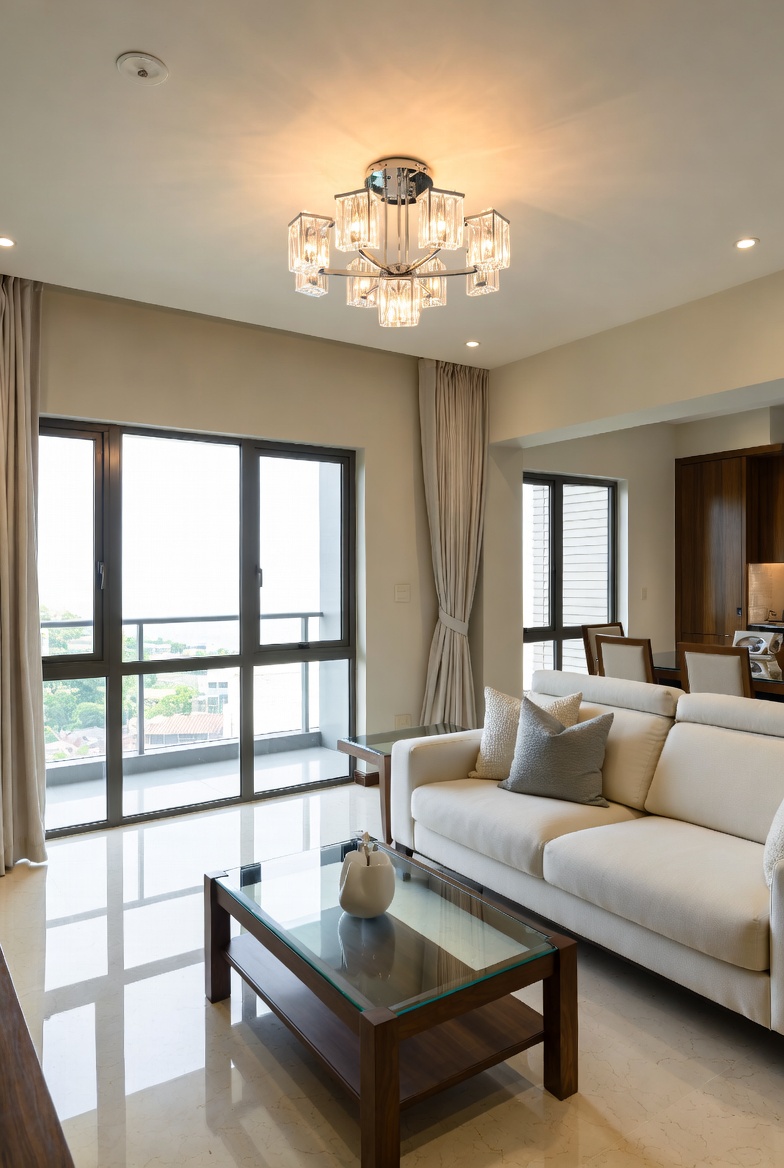
Think about the big picture. Consider the overall aesthetic you're trying to achieve. Sustainable materials don't have to be boring or bland. There are plenty of stylish and innovative options available.

For example, you could use reclaimed wood to create a rustic, natural look. Or you could use recycled glass tiles to add a pop of color and texture. You could even incorporate living walls to bring nature indoors.

Don't be afraid to experiment and get creative. With a little planning and imagination, you can create a stunning and sustainable office space that reflects your company's values. And speaking of values, wouldn't it be great to create a workspace that feels as good as it looks?

One homeowner shared how connecting with the right designer via Wondrous La Vie turned their cramped HDB living room into a cosy family hangout—suddenly weekends feel so much better. Imagine that same transformation, but for your office!

Why not pop over to wondrouslavie.com, take the quick style quiz, and see what feels right for your space? Or connect with a designer there and start brainstorming some ideas. Confirm can find something that sparks joy!

" width="100%" height="480">Office Material Selection: Verifying Supplier Sustainability Claims

On-Site Audit and Inspection

Conduct on-site audits of supplier facilities to assess their sustainability practices firsthand. Observe their waste management, energy consumption, and water usage. Interview employees to understand their commitment to environmental responsibility and ethical labor practices.

Chain of Custody Verification

Establish a clear chain of custody for materials to ensure traceability and prevent greenwashing. Request documentation outlining the origin of raw materials and the manufacturing process. Verify that suppliers have implemented systems to track and manage materials throughout the supply chain.

Material Transparency and Disclosure

Prioritize materials with transparent ingredient disclosure, such as Health Product Declarations (HPDs) or Environmental Product Declarations (EPDs). These declarations provide detailed information on a product's environmental impact and potential health hazards. Analyze the data to select materials with low VOC emissions and minimal environmental footprint.

From House to Haven: See How Wondrous La Vie Transforms Singapore Homes

Finding Your Zen: How Thoughtful Corporate Office Interior Design Can Transform Your Workspace (and Your Day)

Let's be real, after a long day at the office, squeezing onto the MRT, the last thing you want is to come home to more stress, right? You just want to lepak (relax) in a space that feels… well, shiok. But what if I told you that thoughtful corporate office interior design can actually help you bring that feeling of zen into your workspace? It's not just about looking good; it's about creating an environment that supports your well-being and productivity.

Interior design is the art and science of planning and designing interior environments to enhance functionality, aesthetics, health, safety, and the overall human experience within a space. Think about it: the right lighting can reduce eye strain, ergonomic furniture can prevent aches and pains, and a well-organized layout can minimize distractions. It's all about creating a space where you can focus, collaborate, and feel good while you're doing it.

And speaking of feeling good, one of the biggest trends in corporate office interior design right now is sustainability. More and more businesses are recognizing the importance of using eco-friendly materials and practices to reduce their environmental impact. But how do you know if a supplier's sustainability claims are legit? That's where things can get a little tricky. Let's dive into that!

Office Material Selection: Verifying Supplier Sustainability Claims

Okay, so you want to create a green office. Good on you! But before you start ordering bamboo desks and recycled carpets, it's important to do your homework. Greenwashing is a real thing, lah, and you don't want to end up supporting a company that's just paying lip service to sustainability. So, how do you verify those claims?

First, look for certifications. Independent organizations like LEED (Leadership in Energy and Environmental Design), GreenGuard, and Cradle to Cradle offer certifications that verify a product's environmental performance. These certifications take into account factors like material sourcing, manufacturing processes, and product lifecycle. Seeing one of these logos on a product is a good sign, but don't stop there!

Dig a little deeper into the specifics. What exactly makes this product sustainable? Is it made from recycled materials? Is it biodegradable? Does the manufacturer have a closed-loop manufacturing process? Ask for documentation to back up their claims. A reputable supplier should be happy to provide this information.

Consider the entire lifecycle of the product. It's not enough for a product to be made from recycled materials if it's going to end up in a landfill after a year. Look for products that are durable, repairable, and recyclable. Think long-term, can or not?

Don't be afraid to ask questions. If something seems too good to be true, it probably is. Ask the supplier about their sustainability practices, their environmental policies, and their supply chain. The more you know, the better equipped you'll be to make informed decisions.

Remember the 3 R's: Reduce, Reuse, Recycle. Before you even start looking at new materials, consider whether you can reduce your consumption or reuse existing materials. This is often the most sustainable option of all. Steady pom pi pi, right?

Digging Deeper: Key Areas to Investigate

So, where should you focus your attention when verifying supplier sustainability claims for your corporate office interior design project? Here are a few key areas to consider:

  • Material Sourcing: Where do the raw materials come from? Are they sourced responsibly? Are they certified by a third-party organization? Look for materials that are harvested sustainably, like FSC-certified wood.
  • Manufacturing Processes: How are the products manufactured? Are the manufacturing processes energy-efficient? Do they generate a lot of waste? Look for manufacturers who use clean energy, minimize waste, and have robust environmental management systems.
  • Product Composition: What are the products made of? Are they made from recycled materials? Are they free of harmful chemicals? Look for products that are made from non-toxic, biodegradable, or recyclable materials.
  • With Singapore’s smaller living spaces and tropical humidity, finding furniture that’s both stylish and practical can feel like a never-ending hunt—especially when you need items that last through the years without losing their look. Many locals end up going with mass-market options that seem fine on websites but fall short in person—either not sturdy enough for everyday household wear or not breathable enough for our humid conditions. That’s why visiting a reliable furniture stores like those featured on Wondrous La Vie changes everything—it links you seamlessly with curated selections of premium sofas, mattresses, meal-area pieces, and more, with actual physical displays or detailed visuals so you can be sure about what fits your HDB, condo, or landed space. You get that reassurance knowing the furniture are tailored to local needs—durable materials, practical proportions, and designs that actually make your home feel more shiok and welcoming. In the end, the right shop turns what could be a painful shopping trip into an exciting step toward a space you can’t wait to return to..
  • Transportation: How are the products transported? Are they shipped from far away? Look for products that are manufactured locally to reduce transportation emissions.
  • End-of-Life Management: What happens to the products at the end of their life? Can they be recycled or composted? Look for products that are designed for disassembly and recycling.

The Power of Transparency and Traceability

Transparency and traceability are key to verifying supplier sustainability claims. You want to be able to track the product's journey from raw materials to finished product. This means asking for information about the supplier's supply chain, their environmental policies, and their certifications.

A good supplier will be transparent about their practices and willing to provide you with the information you need. They should also be able to provide you with documentation to back up their claims. If a supplier is hesitant to share information, that's a red flag.

Traceability is also important. You want to be able to trace the product back to its source. This means knowing where the raw materials came from, who manufactured the product, and how it was transported. Traceability helps to ensure that the product is truly sustainable and that it meets your environmental standards.

Making Informed Choices for a Greener Future

Ultimately, verifying supplier sustainability claims is about doing your due diligence and making informed choices. It's not always easy, but it's worth it. By choosing sustainable materials and products, you can create a healthier, more productive, and more environmentally responsible workspace. And that's something to feel good about.

Remember, even small changes can make a big difference. Every little bit helps, right?

Now, if you're feeling inspired to transform your corporate office interior design and create a more sustainable workspace, why not explore the possibilities with Wondrous La Vie? It's Singapore's pioneering platform connecting homeowners and businesses with top interior designers and curated premium furniture brands. Whether you're looking for a cosy sofa, a supportive mattress, or a complete living room or bedroom makeover, Wondrous La Vie can help you find the perfect pieces to create a space that truly reflects your style and values. Plus, you can find the best interior designers Singapore has to offer, all in one place!

Why not visit wondrouslavie.com today and see what's possible? Browse their selection of furniture, explore interior design inspiration, and connect with a designer who can help you bring your vision to life. Confirm can find something that makes your space feel more shiok!

Start Your Home Transformation Journey Today, Lah!

Okay, steady lah! Let's get this home reno story going. Here's the HTML fragment, auntie/uncle style, all about transforming your space into a shiok haven:

Office Material Selection: Verifying Supplier Sustainability Claims

Eh, you know, these days everyone's talking about "going green," right? Even for your office! But how to make sure your corporate office interior design choices are *really* helping the environment, and not just some marketing gimmick? It's like buying durian – you gotta know what to look for, or you'll end up with a disappointing one, right? So, let’s talk about verifying those sustainability claims from your suppliers.

First things first, why even bother? Well, beyond the feel-good factor of doing your part for Mother Earth, sustainable corporate office interior design can actually boost your company's image and even save you money in the long run. Think about it: energy-efficient lighting, recycled materials, and furniture built to last – all these things add up! Plus, a healthy, green office can make your employees happier and more productive. Singaporeans are always on the lookout for smart ways to refresh their homes without exceeding the budget, especially when home upgrades in flats or condos can already eat up a big chunk of the reno savings. Between higher living expenses and the desire for a cosier, more functional living space, many homeowners time their purchases carefully to upgrade sofas, mattresses, or dining sets that actually make daily life feel better. That’s when jumping on furniture promotion proves to be a smart move—it lets you grab well-designed, durable items at real value reductions, often with extra benefits like free delivery, added protection plans, or package offers that maximise your budget. All of a sudden you’re able to buy that plush sofa you’ve been eyeing or a comfort-focused sleep upgrade without the regret, turning your home into an even cosier haven for bonding and rest after hectic work shifts. Browsing sites such as Wondrous La Vie helps you stay updated on the current deals, so you can compare, visualise, and grab the top bargains that fit your home and taste just right.. Confirm can!

Now, how do we cut through the greenwashing and find suppliers who are *really* committed to sustainability? Here's where it gets a bit technical, but don't worry, I'll break it down for you.

Understanding Eco-Labels and Certifications

Think of eco-labels and certifications as the "report card" for sustainable products. They're like that "Made in Singapore" label – they tell you something about the product's origins and quality. But instead of just origin, they tell you about its environmental impact.

There are tons of these labels out there, but some are more credible than others. Look out for certifications like:

  • Leadership in Energy and Environmental Design (LEED): This is a big one, especially for buildings. LEED certification means your office space meets certain standards for energy efficiency, water conservation, and indoor environmental quality.
  • Forest Stewardship Council (FSC): If you're using wood, make sure it's FSC-certified. This means the wood comes from responsibly managed forests. No chopping down orangutan habitats, okay?
  • Cradle to Cradle Certified: This certification looks at the entire lifecycle of a product, from its raw materials to its end-of-life disposal. It's like a full body checkup for sustainability!
  • Singapore Green Building Council (SGBC): A local certification which is tailored for Singapore’s climate and context.

When you're evaluating furniture or materials for your corporate office interior design, ask your suppliers about these certifications. Don't be shy! A reputable supplier should be able to provide documentation and answer your questions.

Asking the Right Questions: Due Diligence

Certifications are a good start, but don't just rely on them blindly. Do your own due diligence! It’s like checking reviews before you buy something online, right? You want to make sure the product is legit.

Here are some questions to ask your suppliers:

  • Where do your materials come from? Are they sourced locally? Using local materials reduces transportation costs and supports local businesses.
  • What's the recycled content of your products? Look for products with a high percentage of recycled materials. Every little bit helps!
  • What's your manufacturing process like? Does the supplier have measures in place to reduce waste and pollution?
  • What happens to the product at the end of its life? Can it be recycled or repurposed? Or will it just end up in a landfill?
  • Do you have a sustainability report? A good supplier should be transparent about their environmental performance.

Don't be afraid to dig deep and ask for specifics. A supplier who's truly committed to sustainability will be happy to answer your questions. If they get defensive or evasive, that's a red flag!

Site Visits and Audits

If you're making a big investment in corporate office interior design, consider visiting the supplier's factory or facility. It's like going to the hawker center to see how they make your favorite chicken rice – you can get a much better sense of their quality and hygiene standards.

A site visit allows you to see their manufacturing process firsthand and assess their environmental practices. You can also consider hiring a third-party auditor to conduct a sustainability audit. This is like getting a professional to inspect your new house before you move in – they can identify any potential problems that you might have missed.

Focusing on Specific Materials

Let's zoom in on some common materials used in corporate office interior design and discuss how to choose sustainable options:

  • Carpeting: Look for carpets made from recycled fibers or natural materials like wool. Also, consider using carpet tiles instead of broadloom carpets – they're easier to replace and recycle.
  • Paint: Choose low-VOC (volatile organic compound) paints. VOCs are harmful chemicals that can pollute the air and cause health problems. Nobody wants that in their office!
  • Furniture: Opt for furniture made from recycled materials, sustainably harvested wood, or durable materials that will last for years. Think sofas that can withstand years of "casual Fridays" and office chairs that support good posture.
  • Lighting: Switch to LED lighting. LEDs are much more energy-efficient than traditional light bulbs and last much longer. Your electricity bill will thank you!

When it comes to kitchen and pantry areas, prioritize appliances with high energy efficiency ratings and countertops made from recycled materials. Even small choices like using reusable coffee filters and providing filtered water instead of bottled water can make a difference.

The Role of Interior Designers

Choosing sustainable materials for your corporate office interior design can be overwhelming, I know. That's where a good interior designer comes in! They can help you navigate the complex world of eco-labels and certifications, and find suppliers who are truly committed to sustainability.

An experienced designer will also be able to create a design that minimizes waste and maximizes energy efficiency. They can help you choose the right furniture, mattresses, and other items to create a comfortable and healthy workspace.

One homeowner shared how connecting with the right designer via a Singapore interior design platform turned their cluttered office into a productive, eco-friendly space – suddenly Mondays feel so much better.

Taking the First Step Towards a Greener Office

Transforming your office into a sustainable haven doesn't have to be a daunting task. Start small, focus on one area at a time, and don't be afraid to ask for help. Remember, every little bit counts!

Why not pop over to a Singapore interior design platform, take the quick quiz, browse sustainable furniture like sofas and mattresses, or connect with a designer and see what feels right for your space? Steady pom pi pi, you confirm can create a corporate office interior design that's good for your business and good for the planet!

Look for certifications like Singapore Green Building Council (SGBC), Green Label Singapore, ISO 14001, and Forest Stewardship Council (FSC) to ensure suppliers meet recognized environmental standards.
Request detailed product information, including life cycle assessments (LCAs), environmental product declarations (EPDs), and supply chain traceability to verify the validity of their claims.
Be wary of vague or unsubstantiated claims, lack of third-party verification, or reluctance to provide detailed information about their environmental practices and sourcing.
Yes, on-site visits and audits can provide valuable insights into a suppliers actual environmental performance, manufacturing processes, and waste management practices.
Join local industry associations, attend sustainability conferences, and participate in online forums to exchange knowledge and learn from others experiences in sustainable office material selection.
Familiarize yourself with the Singapore Green Building Masterplan, relevant environmental protection regulations, and consumer protection laws to ensure suppliers comply with local standards and regulations.